Archives scores

Piano scores to listen, download and play. Searchable by level, composer, style and era

Solace – A Mexican Serenade

The transition from late-nineteenth-century ragtime to the sophisticated “Mexican” serenades of the early twentieth century represents a pivotal moment in American music history. Scott Joplin, universally acclaimed as the “King of Ragtime,” sought to elevate the genre into the realm…
Mozart Sonata Facile K. 545

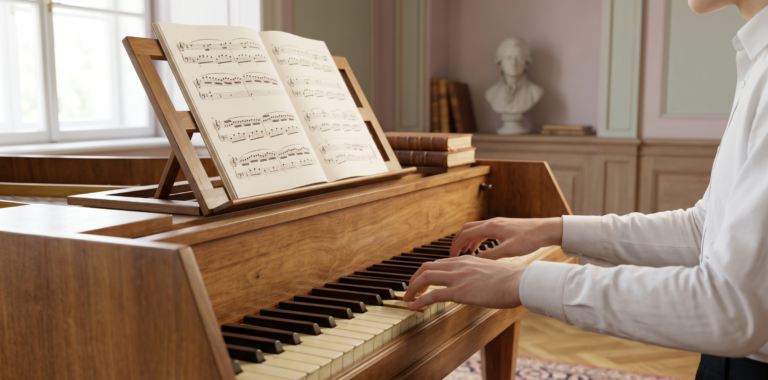
Cinematic close-up of a pianist's hands performing Mozart's Piano Sonata No. 16 K. 545 on a vintage wooden piano, featuring open sheet music in an 18th-century classical setting.

The Piano Sonata No. 16 in C Major, K. 545, widely known as the “Sonata Facile” (Simple Sonata), stands as one of the most recognizable and pedagogically significant works in the history of Western classical music. Composed by Wolfgang Amadeus…

To a Wild Rose Op. 51 No. 1

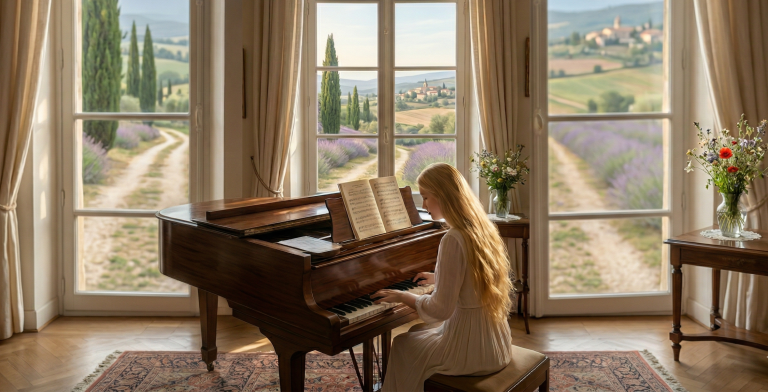
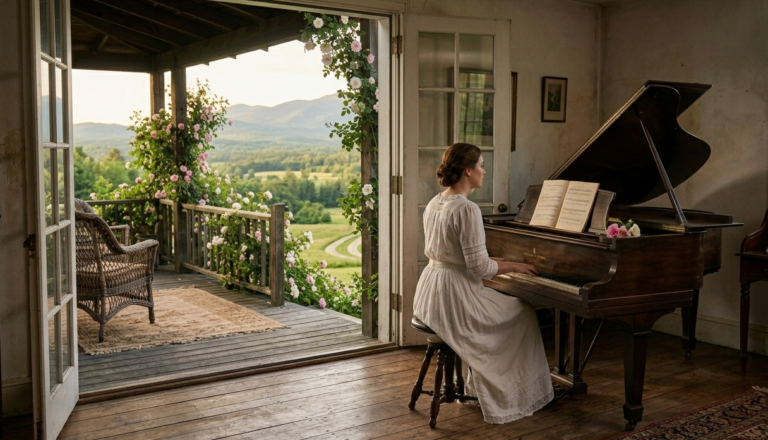
A woman in a 19th century fashion style, playing in a rustic US country house, looking out towards the New Hampshire hills with pink wild roses

Edward MacDowell’s “To a Wild Rose” is the quintessential American piano miniature. Published in 1896 as the first movement of the Woodland Sketches, Op. 51, it represents a pivotal moment in American music history where European Romanticism met a distinct New World sensibility.…

The Girl with the Flaxen Hair

The delicate, ethereal sounds of Impressionism find their most perfect expression in Claude Debussy’s “La fille aux cheveux de lin” (The Girl with the Flaxen Hair). As the eighth prelude in his first book of Préludes, this piece stands as…

Canon in D

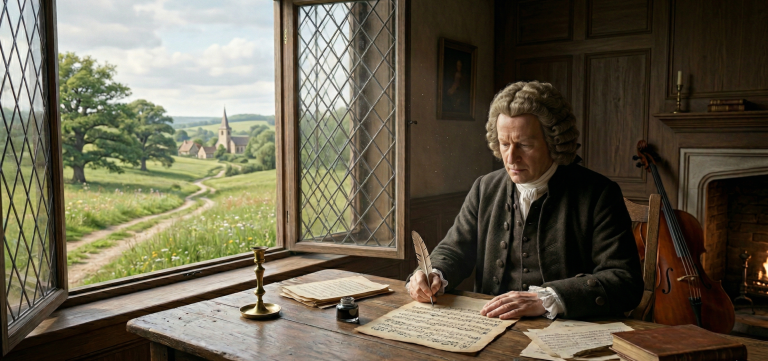
An 18th-century oil painting portrait of a Baroque composer in a powdered wig, seated at a wooden desk writing a music score with a quill. An open window reveals a pastoral landscape, with a viola da gamba and fireplace in the room.

The “Canon in D Major” by Johann Pachelbel is arguably the most recognizable piece of Baroque music in history. Originally composed around 1680 for three violins and a basso continuo, its transition to the piano has made it a staple…

Embraceable You

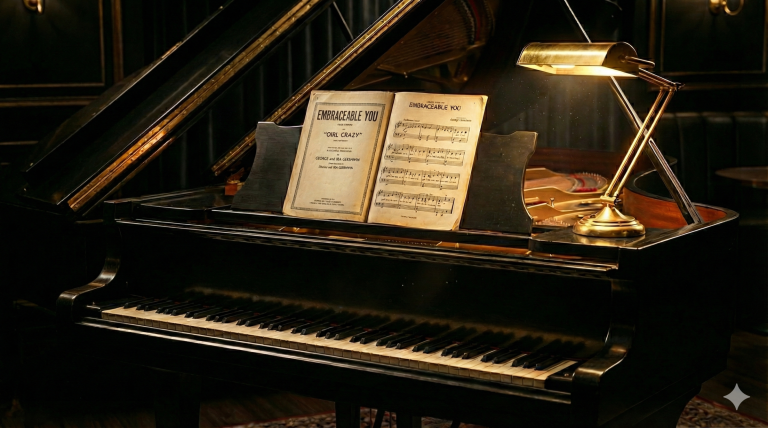
A premium cinematic close-up of the vintage 1930 sheet music for "Embraceable You" by George and Ira Gershwin, resting on a black grand piano under a warm gold lamp.

The discovery of a pristine 1930 score of “Embraceable You” often acts as a transformative moment for a dedicated pianist. One might recall the initial tactile sensation of the heavy paper, the distinct typography of the New World Music Corp.,…

Six Progressive Sonatinas Op. 36

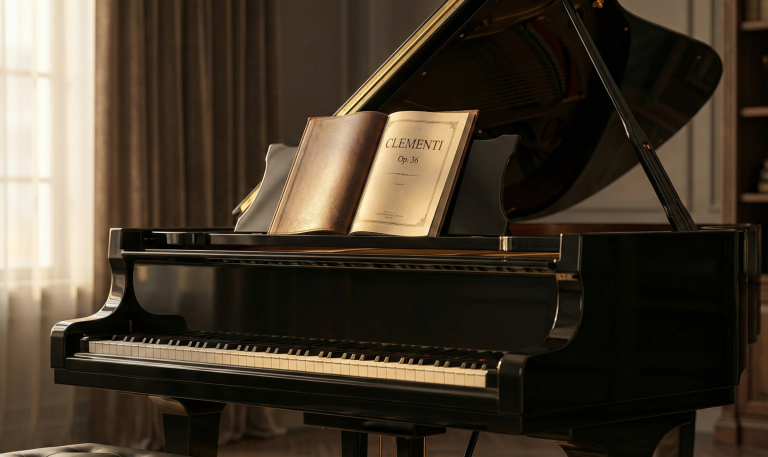
Muzio Clementi's Six Progressive Sonatinas Op. 36 on a Grand Piano stand in a warm room

Introduction: My First Encounter with the “Father of the Piano” The Six Progressive Sonatinas Op. 36 are not merely “student pieces”; they are a distilled essence of the High Classical style. To play them well is to understand the very mechanics of…

The Entertainer

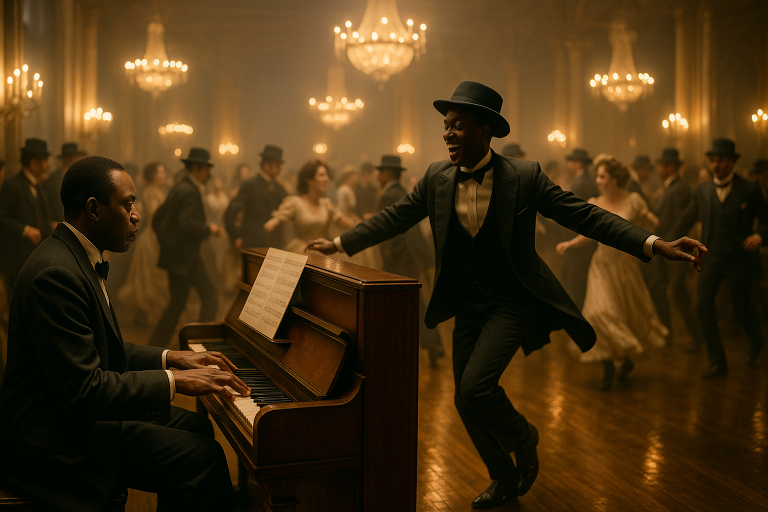
Scott Joplin plays “The Entertainer” on upright piano as dancers fill an elegant early-1900s ballroom, warm chandelier light

There are few piano pieces that conjure such immediate recognition and toe-tapping joy as Scott Joplin’s “The Entertainer.” Whether heard on the radio, in old-time movie soundtracks, or through generations of piano students tapping it out on upright pianos, this…

Nocturne in E-flat Major, Op. 9 No. 2

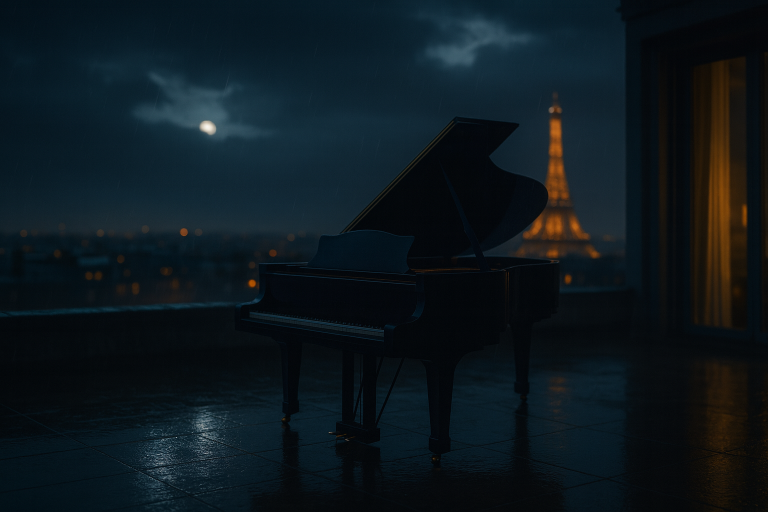
Grand piano on a rainy Paris rooftop with the Eiffel Tower glowing at night, cinematic moonlit atmosphere

There comes a moment in many pianists’ journeys when the gentle, moonlit strains of Chopin’s Nocturne in E-flat Major, Op. 9 No. 2 begin to drift from their piano for the first time. This beloved nocturne, with its singing melody…

Trois Gymnopédies

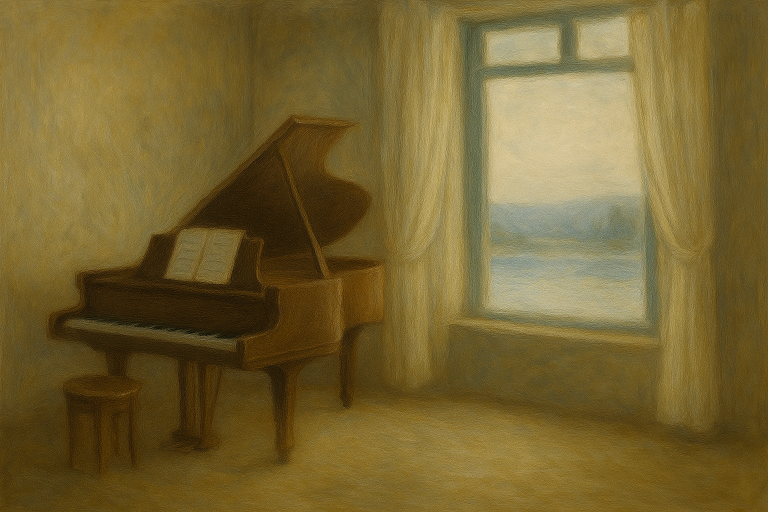
Impressionist-style painting of a grand piano near a sunlit window overlooking a calm landscape, evoking the atmosphere of Erik Satie’s Gymnopédies.

The History of the Music & the Man Behind It Composed between 1888 and 1895, Trois Gymnopédies were first published in Paris in 1898. The pieces are named after ancient Greek “gymnopaedia” festivals, in which young men danced unarmed in…