The transition from technical exercises to expressive performance often begins with the mastery of the modern songbook. While classical training provides the skeletal structure of technique, classic pop repertoire offers a practical application of harmonic theory, rhythmic stability, and emotional storytelling. Understanding these pieces is essential for any musician looking to bridge the gap between formal study and engaging performance. In this comprehensive guide, the focus lies on five cornerstone tracks that every pianist should master to develop a versatile professional toolkit.
This article provides a deep dive into diatonic harmony, arpeggio patterns, complex meters, and structural modulation through the lens of five iconic songs. Each section includes a step-by-step tutorial designed to elevate both technical proficiency and musicality.
A “Classic Pop Song for Piano” is defined as a piece that utilizes universal harmonic structures, such as the I-V-vi-IV progression, while presenting specific technical challenges like hand independence, pedal control, or syncopation. Mastering these five songs ensures a pianist can navigate roughly 80% of modern Western pop music due to their foundational pedagogical value.
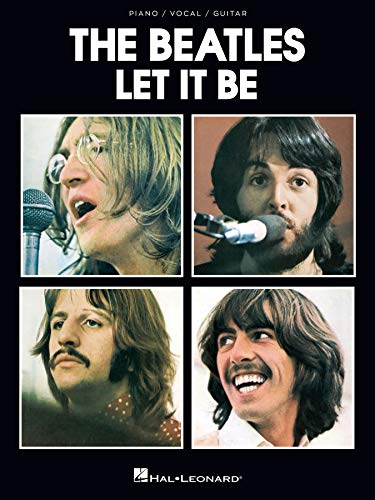
1. “Let It Be” by The Beatles: The Masterclass in Diatonic Harmony
Diatonic chords are the chords built using only the notes found within a specific scale. In “Let It Be,” the harmony is purely diatonic to the key of C Major, making it the ultimate foundational piece for any pianist.
The Harmonic Blueprint
- Key: C Major (No sharps or flats).
- Tempo: Moderato (A steady walking pace).
- Chord Progression: I – V – vi – IV (C – G – Am – F).
Step-by-Step Tutorial
- The Iconic Intro: Focus on the right-hand triads. Play them in their root position (the note the chord is named after is at the bottom). Ensure your touch is legato, meaning the notes flow smoothly from one to the next.
- Left-Hand Foundation: Instead of single notes, use octaves (the distance between a note and the next note with the same name) to create a “gospel” weight to the sound.
- The Plagal Cadence: Pay attention to the ending of the phrase (the cadence). The shift from F Major to C Major is known as a Plagal Cadence, often called the “Amen Cadence,” which provides the song’s prayer-like resolution.
Pedagogical Insight
Use this song to practice your dynamics, the relative loudness or softness of the music. Start the verses at a mezzo-piano (medium-soft) level and gradually build to forte (loud) during the chorus to mirror the emotional arc of the lyrics.
 Kindle editionRead on Kindle ›
As an Amazon Associate I earn from qualifying purchases.
2. “Someone Like You” by Adele: Mastery of the Arpeggio
An arpeggio (or broken chord) is when the individual notes of a chord are played one after another rather than simultaneously. Adele’s “Someone Like You” is the quintessential study in sustained arpeggiation.
The Harmonic Blueprint
- Key: A Major (F#, C#, G#).
- Structure: Repetitive 16th-note patterns.
- Main Progression: I – iii – vi – IV (A – E/G# – F#m – D).
Step-by-Step Tutorial
- The Arpeggio Pattern: The right hand maintains a steady 1, 2, 3, 5 finger pattern. Practice this with a metronome to ensure your tempo, the speed of the beat, remains perfectly consistent.
- Voice Leading: Notice how the top note of your arpeggio creates a “secondary melody.” Keep this note slightly more prominent than the inner notes of the chord.
- Pedal Technique: Use the damper pedal (the right-most pedal) to blend the notes of each chord together. However, be sure to “lift and catch” the pedal at every chord change to avoid a muddled, dissonant sound.
Pedagogical Insight
This piece is excellent for developing hand independence. While the right hand is busy with rapid 16th notes, the left hand must play deep, resonant whole notes that provide the harmonic anchor.
 Kindle editionRead on Kindle ›
As an Amazon Associate I earn from qualifying purchases.
3. “Piano Man” by Billy Joel: The 3/4 Waltz Time Challenge
Waltz time refers to a 3/4 time signature, where there are three beats per measure and the quarter note receives one beat. “Piano Man” is the most famous modern example of this lilting rhythmic structure.
The Harmonic Blueprint
- Key: C Major.
- Rhythm: Triple meter (1-2-3, 1-2-3).
- Signature Riff: Descending bass line (C – G/B – Am – C/G – F – C/E – D7 – G).
Step-by-Step Tutorial
- Feeling the Swing: The “oom-pa-pa” feel is vital. The first beat of every measure (the downbeat) should be slightly accented.
- The Neighbor Tones: The signature harmonica/piano riff uses neighbor tones, notes that move away from a stable chord tone and then return. Focus on the “crush notes” (grace notes) to give it that authentic barroom feel.
- Coordinating the “Walking” Bass: The left hand “walks” down the scale. Ensure your finger crossings (thumb tucks) are seamless to maintain the 3/4 flow.
Pedagogical Insight
“Piano Man” requires high stamina. Since it is a long narrative song, you must learn to vary your timbre (the unique quality of sound) to keep the listener engaged throughout the different characters’ verses.
As an Amazon Associate I earn from qualifying purchases.
4. “Imagine” by John Lennon: The Power of Minimalism
In music, intervals are the distance between two musical pitches. “Imagine” relies on very specific intervals—specifically the major 7th, to create its ethereal, dreamlike atmosphere.
The Harmonic Blueprint
- Key: C Major.
- Essential Chords: C – Cmaj7 – F.
- Vibe: Adagio (Leisurely).
Step-by-Step Tutorial
- The C to Cmaj7 Shift: This is the soul of the song. By simply moving the top C natural down a half step (the smallest interval in Western music) to B natural, you change the mood from bright to introspective.
- The “Pinky” Melody: Your 5th finger in the right hand must highlight the little “G – A – B – C” riff while the other fingers hold the chord. This requires significant finger independence.
- Syncopation: Lennon uses slight syncopation, shifting the stress to the “off-beats”, to give the simple chords a rhythmic “groove”.
Pedagogical Insight
“Imagine” teaches the “power of restraint.” It is tempting to add too many flourishes, but the beauty of this piece lies in its consonant harmony (stable, pleasing sounds).
As an Amazon Associate I earn from qualifying purchases.
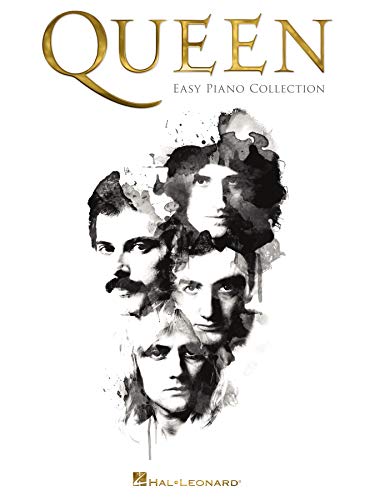
5. “Bohemian Rhapsody” by Queen: The Ultimate Sectional Epic
Modulation is the process of moving from one key to another within a single piece of music. “Bohemian Rhapsody” is a masterclass in modulation and sectional form.
The Harmonic Blueprint
- Keys: Bb Major, Eb Major, A Major, and more.
- Sections: Ballad, Operatic, Hard Rock, Outro.
- Dynamics: Range from pianissimo (very soft) to fortissimo (very loud).
Step-by-Step Tutorial
- The Ballad Section: Master the Bb Major left-hand octaves. The right-hand chords use inversions (rearranging the notes of a chord) to keep the hand movements compact and efficient.
- The Operatic Middle: This requires staccato playing (short, detached notes) to mimic the choral voices. You will also encounter polyphony, multiple melodic lines happening at once.
- The Rock Outro: Here, you need speed and power. Practice your chromatic scales (playing every half step in order) to nail the descending runs that bridge the sections.
Pedagogical Insight
This song is the ultimate test of a pianist’s versatility. You must switch “voices” instantly—from a tender storyteller to a thunderous orchestral force.
 Kindle editionRead on Kindle ›
As an Amazon Associate I earn from qualifying purchases.
Technical Comparison of the 5 Classics
| Song | Primary Key | Time Signature | Technical Focus | Difficulty Level |
| Let It Be | C Major | 4/4 | Diatonic Chords & Voicing | Beginner |
| Someone Like You | A Major | 4/4 | Arpeggios & Pedal Control | Intermediate |
| Piano Man | C Major | 3/4 | Waltz Rhythm & Stamina | Intermediate |
| Imagine | C Major | 4/4 | Minimalist Phrasing | Beginner |
| Bohemian Rhapsody | Bb Major (various) | 4/4 (various) | Modulation & Sectional Form | Advanced |
Final Reflections: Your Journey as a PianoMode Musician
Reflecting on these five classic pop songs, I am reminded that music is a living, breathing entity. These pieces have stood the test of time not just because they are catchy, but because they are perfectly constructed examples of the emotional power of music theory. By mastering them, you aren’t just learning “songs”, you are building a toolkit of harmonic resolution, rhythmic precision, and expressive mastery.
My recommendation is to start with “Imagine” to find your soul, move to “Let It Be” to find your structure, and eventually challenge your limits with “Bohemian Rhapsody.” Let the piano be your voice, and let these timeless classics be your guide to becoming a complete, authoritative musician.
Ready to take your playing to the next level? Join the PianoMode community and unlock your full potential!
Why is the piano the best instrument for learning pop songs?
The piano is the universal tool for composition because the notes are laid out in a logical, linear fashion, making it easy to visualize intervals and chord structures. Unlike many other instruments, the piano allows you to play melody and harmony simultaneously.
Do I need to know how to read sheet music to play these?
While many pianists learn by ear, sight-reading (reading music at first sight) allows you to capture the exact voicings and nuances the original artists intended. It also helps you understand the durational values of the notes, ensuring your rhythm is accurate.
How do I make these songs sound more “professional”?
Focus on your dynamic markings. A professional sound comes from the ability to control the volume of each note. Use the sustain pedal judiciously to add resonance without creating a “wall of noise”.