As an Amazon Associate, PianoMode earns from qualifying purchases. Recommendations are made on their merits; the price you pay is the same.
As someone who has spent countless hours at the piano, I can tell you there’s something truly magical about playing music from movies. Those themes stick with us, evoking memories and emotions linked to the films we love. For many pianists, the journey toward mastery isn’t just paved with Hanon exercises and Bach inventions; it is fueled by the desire to recreate the sweeping emotions of their favorite films. Movie themes are the modern-day “standards” of piano literature, they are emotionally immediate, culturally resonant, and technically diverse.
Whether you are looking to evoke the whimsical mystery of a wizarding world or the heroic grandiosity of a galaxy far, far away, learning iconic movie themes for piano is one of the most effective ways to develop expressive phrasing, rhythmic precision, and tonal control.
In this exhaustive guide, we will break down 10 of the most legendary themes ever composed. We will categorize them by difficulty, analyze the technical hurdles of each, and provide professional practice strategies to help you move from “playing the notes” to “performing the score.”
The best movie themes for piano are those that translate the orchestral “color” of the original score into a solo keyboard arrangement. Iconic choices include John Williams’ “Hedwig’s Theme” (for technical agility), Nino Rota’s “The Godfather” (for emotional phrasing), and James Horner’s “My Heart Will Go On” (for arpeggio mastery). These pieces range from Level 2 (Late Beginner) to Level 8 (Advanced), offering a structured path for technical growth through cinematic storytelling.
The PianoMode Methodology: How to Learn Film Music Fast
Before we dive into the list, it is essential to understand that film music requires a different pedagogical approach than classical repertoire. Film scores are designed to support a visual narrative, meaning their tempo flexibility (rubato) and dynamic contrast are extreme.
1. Active Score Listening
Before touching the keys, listen to the original orchestral version. Identify which instrument carries the melody (violin, flute, horn?). Your goal is to imitate that specific timbre on the piano. If it’s a cello melody, play with a deep, “woody” touch; if it’s a flute, play with a light, “breath-like” staccato.
2. The “Chunking” Strategy
Most movie themes are built on a central “motif” (a short musical idea). Instead of learning the whole page, master the 4-bar motif first. Once that is in your muscle memory, the variations that follow will be much easier to assimilate.
3. Rhythm First, Pitch Second
Film music, especially by composers like Hans Zimmer or Klaus Badelt, is often driven by relentless rhythmic patterns. Tap out the rhythm of both hands on the piano fallboard before trying to play the notes. If the rhythm isn’t “locked in,” the cinematic magic will be lost.
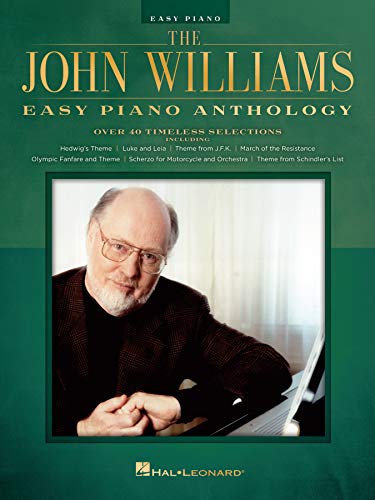
1. Hedwig’s Theme (Harry Potter and the Sorcerer’s Stone)
- Composer: John Williams
- Difficulty: Intermediate (Level 4-5)
- Key Focus: Lightness of touch, grace notes, and chromaticism.
Hedwig’s Theme is a cinematic masterpiece composed in E minor, characterized by its 3/8 or 6/8 compound meter and its heavy reliance on chromaticism and acciaccaturas (grace notes). To perform it successfully, a pianist must master a “leggiero” touch to emulate the bell-like quality of a celesta, while maintaining strict rhythmic precision during rapid accidental shifts.
1. Technical Analysis: The Architecture of Mystery
The “Celesta” Touch and Key Depth
The original score features the celesta, a keyboard instrument where hammers strike metal plates. To replicate this on a piano, you cannot use a standard “into-the-key-bed” strike.
- Shallow Action: Play “on top” of the keys. Imagine the keys are hot. Your goal is to trigger the hammer without letting the key hit the very bottom of the frame. This creates a crystalline, shimmering tone.
- Finger Weight: Keep your wrists high and light. Do not use arm weight here; the power should come entirely from the tips of the fingers (specifically fingers 2, 3, and 4).
Chromaticism and Harmonic Language
John Williams uses chromaticism (using notes outside the standard major/minor scales) to create a sense of unease and wonder. You will frequently encounter “accidental clusters”—sharps and flats that appear and disappear within a single measure.
| Technical Element | Piano Execution | Musical Effect |
| Acciaccaturas | Rapid “crushed” notes | Bird-like flickering |
| Arpeggiated Bass | Soft, rolling chords | Cinematic depth |
| Tritones | Augmented 4ths | Mystery and tension |
Masterclass Tutorial: How to Play Hedwig’s Theme
Step 1: The “Snap” Grace Note Technique
The grace notes (acciaccaturas) in the opening theme represent the flapping of Hedwig’s wings. If they are too slow, the piece sounds clumsy.
- The Exercise: Place your finger on the grace note (e.g., F#) and your next finger on the target note (e.g., G). Instead of playing two separate beats, “snap” your finger off the F# as if you were flicking a grain of salt off the key.
- Pro Tip: The grace note should occur on or just before the beat depending on your interpretation, but it must never steal time from the melody note.
Step 2: The “Claw” Hand Position for Chromatics
Because the melody moves through so many black keys, a flat hand will cause you to slip.
- The Technique: Curve your fingers into a “claw” shape. This brings your fingertips closer to the black keys.
- The Pivot: Use your thumb as a steady anchor, but keep it light. When moving through a chromatic scale passage (like the middle section of the theme), keep your knuckles “quiet” (minimal up-and-down movement).
Step 3: Mastering the Compound Meter (3/8 and 6/8)
The “waltz-like” feel of the theme comes from the emphasis on the first beat of every measure.
- Counting: Count “1-2-3, 1-2-3.”
- The “Lift”: On beat 3 of each measure, slightly lift your wrist. This creates a “breathing” effect that prevents the piece from sounding like a mechanical metronome.
Performance Tips for Advanced Expression
Dynamic Layering
Do not play the melody and the accompaniment at the same volume. The left-hand arpeggios must be a “whisper” (pianissimo), while the right-hand melody should be “pointed” (mezzo-piano but bright).
Use of the Sustain Pedal
Be extremely careful with the pedal. Over-pedaling will “blur” the chromatic notes, turning the mystery into a muddy mess.
- Tip: Use “finger legato” (holding the keys down with your fingers) instead of the pedal whenever possible. If you must use the pedal, change it on every single beat where the harmony changes.
 Kindle editionRead on Kindle ›
As an Amazon Associate I earn from qualifying purchases.
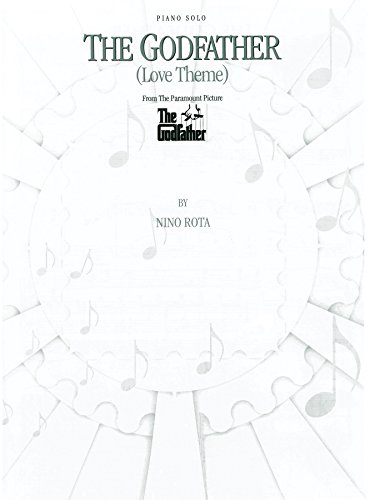
2. The Godfather Love Theme (Speak Softly, Love)
- Composer: Nino Rota
- Difficulty: Early Intermediate (Level 3)
- Key Focus: Legato phrasing, minor-key tonality, and rubato.
The Godfather Love Theme (Speak Softly, Love) is an Early Intermediate (Level 3) piece composed by Nino Rota, primarily set in C Minor. It serves as a definitive study in “Bel Canto” piano playing, requiring the performer to prioritize legato phrasing, sophisticated voicing (melody over accompaniment), and controlled use of the sustain pedal to maintain harmonic clarity while evoking a somber, cinematic atmosphere.
Mastering The Godfather Love Theme (Speak Softly, Love)
Technical Analysis: The Art of Italian Bel Canto
To understand this piece, you must understand the concept of Bel Canto (literally “beautiful singing”). Nino Rota was deeply influenced by Italian opera, and this theme is essentially an aria for the piano. The technical difficulty lies not in finger speed, but in Voicing, the ability to make one layer of music (the melody) sound like a different instrument than the background.
- Legato Phrasing: The melody must be seamless. If there is a “gap” between notes, the illusion of the human voice is broken.
- Minor-Key Tonality: The C Minor key signature demands a dark, rich tonal color. You aren’t just hitting keys; you are drawing sound out of the instrument.
- Tactile Approach: Use the “fleshy” part of your fingertips rather than the tips. This creates a warmer, more rounded sound that suits the 1970s cinematic aesthetic.
Comparison: Beginner vs. Professional Execution
| Element | Beginner Approach | Professional “PianoMode” Approach |
| Touch | Equal weight in both hands | Melody (Right Hand): Deep, weighted. Accompaniment (Left Hand): Feathery, light. |
| Rhythm | Metronomic and stiff | Rubato: Slight stretching of the tempo at the peak of the phrase. |
| Pedal | Held down for the whole line | Syncopated Pedaling: Changed exactly as the chord shifts to prevent “mud.” |
Tutorial & Masterclass Tips
The “Sigh” Phrasing (Messa di Voce)
In vocal music, a “sigh” is a phrase that starts with a slight tension and ends with a release. In The Godfather, the phrases often move in two-bar increments.
- The Execution: Start the first note of the phrase with a gentle “drop” of the wrist. As the melody rises in pitch, increase the pressure (crescendo). As the phrase ends on a lower note, literally “lift” your wrist to taper off the sound (diminuendo).
- The Secret: Never let the last note of a phrase be the loudest. It should “evaporate” into the room.
Left-Hand Pulse & Dynamic Balance
The left hand provides a “pulsing” eighth-note accompaniment. If this is too loud, it will drown out the “singer” (the right hand).
- The Exercise: Practice the left hand alone until you can play it pianissimo (very soft) without looking at your hand. You want the left hand to feel like a distant heartbeat—felt more than heard.
- The “Shadow” Technique: Imagine your left hand is the shadow of your right hand. It follows the movement but has no “weight” of its own.
Pedaling for Harmonic Clarity
Because the piece is in a minor key with several chromatic alterations, the sustain pedal is your best friend and your worst enemy.
- The “Legato Pedal” Method: Do not lift the pedal with the new chord. Lift the pedal immediately after you strike the new chord, then quickly put it back down. This “cleans” the sound while ensuring there is no silence between harmonies.
- Visual Cue: Think of the pedal as a vacuum cleaner—it sucks up the old resonance to make room for the new.
Advanced Tip: The Appoggiatura (The “Aching” Note)
Rota uses “leaning notes” (appoggiaturas) to create that iconic feeling of sadness. When you encounter a note that feels slightly “wrong” before resolving into a “right” note, lean into it. Give the dissonant note about 10% more volume than the resolution note. This creates the “ache” that makes the theme so moving.
 Kindle editionRead on Kindle ›
As an Amazon Associate I earn from qualifying purchases.
3. Star Wars Main Theme
- Composer: John Williams
- Difficulty: Late Intermediate / Advanced (Level 6-7)
- Key Focus: Triplet rhythms, large chords, and heroic dynamics.
The Star Wars Main Theme is a Late Intermediate to Advanced (Level 6-7) composition by John Williams, famous for its B-flat Major tonality and its use of quartal harmony and fanfare-like motifs. Technically, it requires a “Marcato” articulation, heavy use of forearm weight for chordal resonance, and extreme rhythmic stability in compound triplet figures to emulate a professional brass section.
Technical Analysis: Emulating the Brass Fanfare
The primary challenge of this piece is Orchestral Emulation. The piano is a percussion instrument, but the Star Wars theme is built on the sustained, heroic “push” of trumpets and trombones. To achieve this, you must move away from “finger-only” playing and engage your entire upper body.
- Arm Weight vs. Finger Strength: If you play the opening chords using only your fingers, you risk “choking” the sound. You must use Gravity-Assisted Arm Weight, dropping from the elbow to let the natural mass of your arm create a deep, resonant fortissimo.
- Quartal Harmony and Intervals: Williams often uses intervals of fourths and fifths. These “open” intervals can sound hollow if not voiced correctly. You must ensure the top note of every chord (the melody) is the most prominent.
- The “Marcato” Touch: Every note in the fanfare must be distinct and “marked.” There is no room for blurry legato here; think of each note as a spear-thrust.
Comparative Technical Requirements
| Technical Pillar | Piano Execution | Orchestral Equivalent |
| Dynamics | Fortissimo (ff) with arm weight | Full Brass Section (FF) |
| Articulation | Marcato (Sharp and detached) | Staccatissimo Trumpets |
| Rhythm | Precise Triplets (da-da-da) | Military Snare/Timpani |
| Texture | Large 4-5 note chords | Full String & Horn Unison |
Masterclass Tutorial: Developing the Hero’s Touch
The Triplet Pulse: Rhythmic Integrity
The “da-da-da” rhythm is the heartbeat of the theme. Beginners often rush the triplets, turning them into a messy “blur” that destroys the heroic feeling.
- Subdividing the Beat (H4): To master this, set your metronome to a slow tempo (e.g., 60 BPM) but set it to beep on every eighth-note triplet. Your fingers must align perfectly with the “ticks.”
- The “Lead-In” Technique: The triplets usually lead into a long, sustained note. Focus on making the triplets “propel” you toward that destination. Think of them as a springboard, not just a decoration.
Octave Accuracy and the “Fixed Span”
The melody frequently jumps across the keyboard in octaves. These leaps are where most performances fall apart technically.
- The “Claw” Lock (H4): Lock your hand into a fixed octave shape (usually fingers 1 and 5). Keep the structure of your hand firm—if your hand “collapses” during the leap, you will hit neighboring notes.
- Elbow-Driven Leaps: Do not reach for the octaves with your wrist. Instead, move your entire forearm from the elbow. This keeps your hand parallel to the keys and significantly increases your accuracy at high speeds.
Achieving Orchestral Resonance
To get that “John Williams Sound,” you need to master the release of the key as much as the strike.
- The “Catch” Release: After hitting a large chord, do not “bounce” off the keys. Instead, “catch” the keys at the bottom of the bed and hold them just long enough for the sound to bloom before moving to the next.
- Pedal Timing: Use the sustain pedal sparingly. If you hold it through the triplets, the melody becomes “muddy.” Change the pedal on every new chord or major melodic jump to keep the “fanfare” crisp and clean.
Kindle editionRead on Kindle ›As an Amazon Associate I earn from qualifying purchases.
4. My Heart Will Go On (Titanic)
- Composer: James Horner
- Difficulty: Intermediate (Level 4)
- Key Focus: Arpeggiated accompaniment and sentimental lyricism.
“My Heart Will Go On” is an Intermediate (Level 4) piano arrangement characterized by its E Major tonality (often modulating to A-flat Major) and its reliance on flowing, arpeggiated accompaniments. The primary technical hurdles include managing large left-hand spans through wrist rotation and executing a “cantabile” melody that requires sophisticated dynamic shaping to emulate a human voice.
The Arpeggiated Accompaniment
The core of the “Titanic” sound is the Arpeggio, a broken chord where the notes are played in succession rather than simultaneously. In this piece, Horner uses these to represent the movement of water.
- Tonal Fluidity: The left hand acts as the “engine.” It must provide a constant, unwavering rhythmic foundation while remaining dynamically subordinate to the right hand.
- Harmonic Anchor: Most arrangements use 1-5-8-10 patterns (e.g., E – B – E – G#). This requires a hand span that most intermediate players cannot reach comfortably without tension.
- Sonority: The goal is to create a “wash of sound” rather than individual thuds. This requires a deep understanding of the sustain pedal’s relationship with harmonic changes.
Comparison: Technical Requirements vs. Emotional Impact
| Technical Skill | Execution Method | Musical Result |
| Finger Legato | Overlapping melodic notes | Seamless “Vocal” line |
| Wrist Rotation | Lateral “Ovals” with the wrist | Tension-free arpeggios |
| Dynamic Layering | Weighted RH / Unweighted LH | Professional “Studio” sound |
| Syncopated Pedal | Clean changes on chord shifts | Harmonic clarity |
Masterclass Tutorial: How to Play with Sentiment and Soul
Left-Hand Rotation: The “Taubman” Approach
Many students complain of wrist pain when playing the wide arpeggios in this piece because they try to “stretch” their fingers to reach the notes. Stretching is the enemy of fluidity.
- The “Pouring” Technique (H4): Instead of stretching finger 5 to finger 1, imagine your wrist is a hinge. Rotate your wrist toward the pinky to play the bass note, then rotate “over” to the thumb. Think of it as pouring water from a pitcher.
- The Micro-Adjustment: Your forearm should move laterally (left to right) to bring your fingers directly over the keys. If your fingers are reaching at an angle, your tone will be thin and your wrist will tighten.
The “Vocal” Melody: Phrasing Like a Diva
Since this is a song-turned-solo, your right hand must act as the singer. Celine Dion is famous for her messa di voce (swelling and diminishing on a single note).
- Sing the Lyrics (H4): Even if you don’t sing, say the lyrics in your head. Where does the singer take a breath? That is where you should slightly lift your wrist and “reset” the phrase.
- The Peak of the Phrase: In the chorus (“Near, far, wherever you are…”), the highest note is usually the emotional climax. Use more arm weight on the high notes to give them a “soaring” quality, but avoid a “stuck” or “harsh” attack.
Mastering the Climax (The Key Change)
The most iconic moment in the piece is the modulation (the key change). This is where the difficulty spikes as you move into more sharps or flats.
- The Dynamic Build: Start the section before the key change at a mezzo-piano. Gradually increase the speed of your left-hand rotation and the depth of your right-hand strike (crescendo) to lead into the new key with authority.
- Hand Positioning: In the higher-energy sections, keep your fingers closer to the black keys to minimize the distance your hand has to travel during rapid chord changes.
As an Amazon Associate I earn from qualifying purchases.
5. He’s a Pirate (Pirates of the Caribbean)
- Composer: Klaus Badelt / Hans Zimmer
- Difficulty: Intermediate (Level 5)
- Key Focus: 6/8 time signature, drive, and staccato chords.
“He’s a Pirate” is an Intermediate (Level 5) cinematic theme composed by Klaus Badelt and Hans Zimmer, primarily written in D Minor. It is defined by its 6/8 compound time signature, requiring a “galloping” rhythmic feel, rapid-fire staccato chords, and a “Marcato” touch. The primary technical challenge lies in maintaining a relentless Allegro con brio tempo while utilizing wrist-based articulation to avoid muscle tension and forearm fatigue.
Technical Analysis: The 6/8 “Gallop” and Orchestral Drive
Unlike a standard 4/4 march, “He’s a Pirate” relies on Compound Duple Meter. In 6/8 time, the pulse is felt in two beats per measure, with each beat subdivided into three eighth notes. This creates the “swashbuckling” or “nautical” feel characteristic of the Pirates of the Caribbean score.
- Rhythmic Momentum: The energy comes from the “short-long” feel of the eighth notes. If your eighth notes are too “even,” the piece loses its cinematic edge.
- Orchestral Percussion: The piano must mimic the low strings and timpani of the original score. This requires a sharp, percussive attack—specifically on the lower octaves.
- Staccato Chords: The right hand frequently plays repeated chords. Doing this with a “stiff” arm is the fastest way to develop tendonitis. You must master the Wrist Staccato—a technique where the motion is localized to the wrist joint.
Comparative Performance Metrics
| Technical Pillar | Beginner Execution | Professional “PianoMode” Execution |
| Meter Feel | 6 even pulses | Strong 1-4 Accents: Heavy on 1, lighter on 4. |
| Articulation | Flat, “heavy” chords | Wrist Staccato: Fast, bouncy, and light. |
| Dynamics | Static Loudness | Terraced Dynamics: Building the “swell” of the sea. |
| Hand Shape | Collapsed knuckles | Firm Bridge: Arched fingers for maximum “bite.” |
Masterclass Tutorial: Developing the Pirate’s Pulse
The “1-4” Accent: Creating the Drive
In 6/8 time, the first and fourth eighth notes are your primary pulses. Without these accents, the piece sounds like a chaotic mess of notes.
- The “Heavy-Light” Technique (H4): Think of the rhythm as ONE-two-three, FOUR-five-six. Drop your wrist slightly on the “ONE” and the “FOUR.” This naturally emphasizes the beat without you having to “hit” the keys harder.
- Rhythmic Hook: The main theme relies on a syncopated “long-short” motif. Practice the rhythm on a single key before applying it to the chords. This builds the “galloping” muscle memory into your nervous system.
Wrist Staccato: The Secret to Endurance
Repeated chords at 140+ BPM will cause muscle failure if played from the shoulder or forearm.
- The “Bouncing Ball” Motion (H4): Imagine your hand is a basketball. The power comes from the wrist “flicking” the hand downward, then letting the natural rebound of the key push your hand back up.
- Minimize Movement: The smaller the movement, the faster you can play. Your hand should only leave the surface of the keys by a few millimeters.
- The Forearm “Shock Absorber”: Keep your forearm loose. If you feel your elbow “locking,” stop immediately. Shake your arms out and refocus the movement entirely into the wrist joint.
Navigating the D Minor Chromaticism
The theme uses several “accidentals” (sharps and flats) that can trip up your fingering at high speeds.
- The “Compact” Hand Position (H4): Keep your fingers close to the black keys, even when playing white keys. This reduces the “travel time” for your hand.
- Fingering Consistency: In the fast melodic runs, use the same fingering every single time. Muscle memory is the only way to maintain the Presto tempo required for the climax of the piece.
 Kindle editionRead on Kindle ›
As an Amazon Associate I earn from qualifying purchases.
6. Schindler’s List Theme
- Composer: John Williams
- Difficulty: Advanced (Level 7-8)
- Key Focus: High-register control and emotional depth.
The Schindler’s List Theme is an Advanced (Level 7-8) masterpiece composed by John Williams, originally in G Minor. It is a profound study in “Cantabile” (singing) style, requiring the pianist to overcome the piano’s natural percussive decay to create a sustained, emotional narrative. Key technical requirements include extreme tonal balance (pianissimo accompaniment vs. mezzo-forte melody), delicate high-register voicing, and “soft landing” strikes to emulate the smooth onset of a violin bow.
Technical Analysis: Translating Violin Lyricism to the Piano
The primary challenge of this arrangement is the Imitation of Sustained Sound. On a violin, a player can increase the volume of a note after it has started by increasing bow pressure. On a piano, the moment you strike a key, the sound begins to die (decay). To play this piece at an advanced level, you must use technical “illusions” to hide the piano’s percussive nature.
- High-Register Control: Much of the melody sits in the fourth and fifth octaves of the piano. In this range, the strings are shorter and have less natural resonance. You must strike with more “meat” of the finger to produce a round, warm tone rather than a “tinkly” one.
- Cantabile and Legato: True legato is a physical impossibility on the piano (since hammers must strike), but we create the illusion of it by ensuring the volume of the new note perfectly matches the decaying volume of the previous note.
- Micro-Dynamics: Every single note in the melody should have its own dynamic value. There are no “flat” lines in this piece; every note is either growing toward a peak or receding into a sigh.
Comparison: Violin vs. Piano Technique
| Element | Violin Execution | Piano “Illusion” Technique |
| Attack | Bow hair meeting the string | Soft Landing: Slow key descent. |
| Sustain | Continuous bowing | Syncopated Pedaling: Capturing overtones. |
| Expression | Finger vibrato | Wrist Rolling: Modulating the “weight” mid-note. |
| Dynamics | Direct pressure control | Voicing: Melodic projection over a “whisper” LH. |
Masterclass Tutorial: Techniques for Emotional Resonance
The “Soft Landing” and Key Velocity (H4)
A “harsh” attack will immediately break the spell of this piece. To avoid this, you must master the speed at which the hammer hits the string.
- The Technique: Do not “drop” your fingers from above the keys. Instead, keep your fingertips in constant contact with the ivory. “Sink” into the key slowly at first, then accelerate just enough to trigger the hammer.
- The Result: This creates a “mellow” attack that mimics the soft start of a violin bow, preventing the “percussive” click that ruins the atmosphere.
Simulating Vibrato: The Wrist Roll Technique (H4)
While you cannot physically vibrate a piano string once it has been struck, you can influence the resonance and the visual phrasing to suggest vibrato to the listener’s ear.
- The Movement: As you hold a long melodic note, gently roll your wrist in a small circular or side-to-side motion.
- The Science: While this doesn’t change the pitch, it encourages a relaxed hand and prevents the note from sounding “stagnant.” More importantly, it helps you prepare the weight for the next note, ensuring a smoother transition.
Tonal Balance: The Whisper of the Left Hand (H4)
The left-hand accompaniment consists of somber, pulsing chords and arpeggios. If these are even 10% too loud, the melody loses its “soaring” quality.
- The “Ghost” Practice: Practice the left hand alone at a volume so low the notes barely speak. Your goal is to make the left hand a “bed of mist” upon which the melody floats.
- Una Corda Pedal: Do not be afraid to use the Una Corda (soft pedal) for the accompaniment, but be careful—sometimes you want the melody to remain bright while the bass stays muffled. This requires “half-pedaling” skills.
Large Intervals and Legato Leaps (H4)
The theme contains several wide leaps (octaves or tenths). If you “jump” and “hit” the top note, it will sound aggressive.
- The “Arc” Motion: Move your hand in a graceful, rainbow-shaped arc toward the high note.
- The Preparation: “Feel” the key before you play it. If you land and strike simultaneously, you lose control. Land, feel the surface, then sink.
Kindle editionRead on Kindle ›As an Amazon Associate I earn from qualifying purchases.
7. The Pink Panther Theme
- Composer: Henry Mancini
- Difficulty: Intermediate (Level 4-5)
- Key Focus: Swing rhythm, chromatics, and jazz articulation.
The Pink Panther Theme is an Intermediate (Level 4-5) jazz standard composed by Henry Mancini in the key of E minor. It is defined by its “swing” rhythm, where eighth notes are performed in a long-short triplet feel (2+1). Technically, the piece relies on heavy chromaticism, specifically “blue notes” and slides, and requires a relaxed, syncopated articulation to achieve its iconic, sleuth-like atmosphere.
Technical Analysis: The Architecture of the “Slink”
The greatest hurdle for traditionally trained pianists is the transition from a binary rhythmic feel to a ternary one. In “The Pink Panther,” the paper says “Eighth Notes,” but the ear must hear “Triplets.” This is the essence of the Jazz Swing.
Mastering the Swing Rhythm (The 2:1 Ratio)
In jazz, eighth notes are not created equal. Instead of dividing a beat into two equal halves (50%/50%), the first note takes roughly 66% of the time and the second note takes 33%.
- The Bounce: Imagine a ball bouncing down a flight of stairs. The “long” is the bounce, the “short” is the moment it hits the next step.
- The Exercise: Set your metronome to a slow 4/4 beat. Instead of counting “1-and-2-and,” count “1-da-da, 2-da-da.” Play on the “1” and the last “da.”
Chromaticism and Blue Tonalities
Henry Mancini uses chromaticism, playing notes that are technically “outside” the key, to create tension and humor.
- The Slide: The famous opening (G to G# to A) isn’t just three notes; it’s a gesture. You must move from the “wrong” note to the “right” note with a slight accent on the resolution.
- The Blue Note: Look for the flattened fifth (B-flat in the key of E minor). This is the “secret sauce” of jazz. It should sound slightly “dirty” or “gritty” compared to the surrounding notes.
Masterclass Tutorial: How to Play with “The Cool Factor”
To play this theme with authority, you must separate your hands not just by notes, but by “personality.” Your left hand is the steady bass player in the corner, while your right hand is the sneaky cat moving through the shadows.
The Left-Hand “Walking” Foundation
The left hand in this piece acts like a double bass in a jazz trio. It provides the “Backbeat.”
- Independence Training: Practice the left-hand ostinato (the repeating bass pattern) until you can hold a conversation while playing it. In jazz, the left hand is your “internal clock.”
- The Snap: Traditionally, jazz “snaps” or accents occur on beats 2 and 4. When playing the left hand, give a tiny bit of extra weight to those even beats. This is what makes the listener want to tap their feet.
Articulating the “Slink” (Sticky Touch)
The articulation in The Pink Panther is highly specific. It isn’t entirely legato (smooth) or staccato (short).
- The “Sticky” Touch: Think of your fingers as being slightly sticky. You want to hold the “long” part of the swing eighth note for its full duration (tenuto) but “clip” the “short” note.
- The Grace Note Flick: When you see a grace note leading into the main melody, do not play it as a separate beat. It should be a rapid “flick” of the finger, moving from the black key to the white key as if you are slipping on a banana peel.
As an Amazon Associate I earn from qualifying purchases.
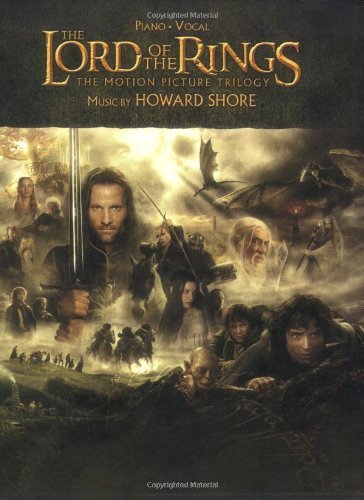
8. Concerning Hobbits (The Lord of the Rings)
- Composer: Howard Shore
- Difficulty: Beginner / Early Intermediate (Level 2-3)
- Key Focus: Simplicity, folk-like clarity, and balance.
“Concerning Hobbits” is a Beginner to Early Intermediate (Level 2-3) piece composed by Howard Shore for The Lord of the Rings trilogy. Written primarily in D Major, the theme utilizes folk-like idioms, including pentatonic melodic structures and open-fifth accompaniments. Technically, it demands high-level rhythmic evenness, a “pure” melodic tone that emulates a whistle or fiddle, and a delicate balance between a grounded bass and a sparkling treble.
Technical Analysis: The Art of the English Pastoral Style
To play this theme correctly, you must understand its roots. Howard Shore drew heavy inspiration from the English Pastoral tradition—music that evokes the countryside, rolling hills, and a sense of timeless peace. This style relies on “transparency.” Unlike the dense textures of The Godfather or the power of Star Wars, “Concerning Hobbits” is a study in musical “breath.”
The “Pure” Melodic Tone
On the piano, a “pure” tone is achieved by minimizing the percussive “clack” of the keys. Because the melody was written for the tin whistle and the fiddle, it needs to sound “aerated.”
- Key Velocity: Avoid “poking” at the keys with a stiff finger. Instead, keep your fingers curved and let the weight of your hand “fall” into the key with a controlled, medium speed.
- Legato vs. Staccato: The melody often jumps between smooth slurs and playful, short notes. The staccato here shouldn’t be sharp or “pointy”; it should be a “leggiero” (light) bounce, like a Hobbit skipping down a path.
The Foundation of Open Fifths
The left hand often plays “Open Fifths” (e.g., D and A). In music theory, these intervals are neither major nor minor, they are “perfect.”
- The Grounding Effect: These fifths represent the stability of the earth. They must be played with a deep, calm resonance.
- The Balance Challenge: If the left hand is too loud, the “folk” charm disappears. The accompaniment should be felt more than heard, acting as a soft bed for the melody.
| Technical Element | Piano Execution | Sound Quality |
| Melody (RH) | Light, “tops” of the keys | Sparkling, Whistle-like |
| Accompaniment (LH) | Grounded, soft fifths | Calm, Earthy |
| Rhythm | Strict but relaxed | Folk-like “Gallop” |
| Pedaling | Very sparse | Clear and transparent |
Masterclass Tutorial: How to Play Concerning Hobbits
Grounding the Left Hand and Hand Balance
The most common mistake in this piece is playing the left hand with the same weight as the right.
- The “Weight Drop” Technique: Rest your left hand on the keys. Use only the weight of your arm to depress the keys, without “pushing.”
- The Sparkle Effect: Contrast this by using “active fingers” in your right hand. Your RH fingers should be slightly more articulated to give the melody its “tin whistle” brightness.
Conversational Phrasing and Gentle Cadences
Howard Shore’s melody is essentially a conversation between two Hobbits.
- The Musical Sentence: Think of each phrase as a spoken sentence. Where would you take a breath?
- The “Soft Exit”: At the end of a phrase, do not “hit” the final note. Instead, let your wrist rise as you play the last note. This causes the sound to taper off naturally, preventing a “poked” or “jolted” ending. This is the secret to the “sentimental” feel of the Shire.
Rhythmic Evenness in Simple Meters
Because the rhythm is so repetitive (often featuring eighth-note “skips”), any hesitation will make the music sound mechanical.
- Metronome Strategy: Practice with the metronome on the eighth-note beat. Focus on making the “skip” (the dotted rhythm) feel bouncy rather than jagged.
- The “Internal Dance”: Imagine you are playing for a group of dancers. The rhythm must be steady enough to dance to, but flexible enough to feel human.
 Kindle editionRead on Kindle ›
As an Amazon Associate I earn from qualifying purchases.
9. Jurassic Park Theme
- Composer: John Williams
- Difficulty: Intermediate (Level 5)
- Key Focus: Major intervals, majestic legato, and sustain pedal.
The Jurassic Park Theme is an Intermediate (Level 5) masterpiece composed by John Williams, characterized by its use of perfect intervals (fourths and fifths) and a majestic B-flat Major tonality. To perform it with authority, a pianist must utilize a “majestic legato” touch, precise sustain pedal clearing to avoid harmonic blurring, and choral voicing—prioritizing the top melodic note within dense chordal structures to emulate an orchestral brass section.
The Technical Architecture of Cinematic Wonder
To capture the “noble” and “expansive” nature of this theme, you must understand how John Williams uses intervals to suggest scale and history. Unlike a pop song that relies on thirds, this theme is built on the stability of perfect intervals.
Major Intervals and Noble Phrasing
The “noble” sound comes from the leaps of a fourth and a fifth. On the piano, these intervals can sound hollow if the keys are struck too lightly, or aggressive if struck too hard.
- The “Core” Strike: You must play from the “bridge” of your hand (the knuckles). Keep your fingers firm and “sink” into the key bed. This creates the “noble” projection needed for the main motif.
- Expansive Legato: Even when the melody jumps an octave or a fifth, the sound must remain connected. Use “finger legato” as much as possible, only relying on the pedal to add resonance, not to hide gaps in your playing.
The Majestic Crescendo: Pedal Management
The middle section of the theme builds to a massive, soaring climax. This is where most intermediate players lose clarity.
- Pedal Clearing: In a massive crescendo, the piano’s strings are vibrating at their maximum capacity. If you don’t clear the sustain pedal on every single harmonic change, the overtones will clash, creating a “muddy” wall of sound.
- The “Vocal” Breath: Use the pedal to “breathe” with the phrases. Lift the pedal slightly at the end of a musical sentence to allow the sound to dissipate before starting the next swell.
| Technical Element | Piano Execution | Musical Result |
| Intervals of 4ths/5ths | Firm knuckle “core” | Noble, stable sound |
| Majestic Legato | Weight-transfer between fingers | Seamless, singing line |
| Sustain Pedal | Rhythmic “clearing” | Clear, resonant climax |
| Choral Voicing | Weighted 5th finger (pinky) | Orchestral depth |
Masterclass Tutorial: Achieving the Orchestral Sound
The Secret of Choral Voicing
John Williams often writes the melody as the top note of a four or five-note chord. If you play all the notes with equal volume, the melody gets buried.
- The “Pinky” Lean: Shift your hand’s weight slightly toward your 5th finger (right hand). Imagine that your pinky is a solo soprano singer and the other fingers are a quiet choir backing her up.
- Practice Tip: Play the chord, but only “ghost” (press without making a sound) the inner notes while playing the top melody note at a mezzo-forte. This trains your brain to prioritize the melody note.
Navigating the Majestic Crescendo
As you build volume toward the climax, do not “hit” the keys harder from your wrist.
- Arm-Weight Transfer: Use the weight of your entire arm, starting from the shoulder. This ensures the sound is “fat” and “rich” rather than “thin” and “sharp.”
- The Apex: When you reach the loudest point of the theme, ensure your wrists remain flexible. A stiff wrist will “choke” the piano’s natural resonance, making the fortissimo sound metallic.
Kindle editionRead on Kindle ›As an Amazon Associate I earn from qualifying purchases.
10. Beauty and the Beast
- Composer: Alan Menken
- Difficulty: Early Intermediate (Level 3-4)
- Key Focus: Rubato, arpeggios, and Disney-style lyricism.
“Beauty and the Beast” is an Early Intermediate (Level 3-4) ballad composed by Alan Menken, typically performed in F Major and modulating to G Major. The arrangement is built on a foundation of wide-reaching arpeggios and requires a sophisticated use of Tempo Rubato to emulate vocal storytelling. Key technical challenges include balancing the melody over syncopated accompaniments and highlighting inner-voice movements during the bridge section.
Technical Analysis: The Architecture of the Disney Power Ballad
The “Disney Style” popularized by Alan Menken is essentially a blend of 19th-century Romanticism and Broadway theatricality. On the piano, this translates into a texture that is lush, resonant, and highly emotional.
Arpeggiated Foundations and Hand Balance
The left hand in this arrangement rarely plays simple block chords. Instead, it uses flowing arpeggios that span an octave or more.
- The “Anchor” Bass: The first note of every arpeggio (the bass note) must be grounded. Think of it as the “orchestral double bass.”
- The Middle Layer: The notes in between the bass and the melody should be played pianissimo. If these are too loud, they will “clutter” the sound and distract from the lyrics.
Syncopated Pedaling for Harmonic Depth
Because this is a power ballad, the sustain pedal is used constantly. However, “constant” does not mean “lazy.”
- The Technique: You must use Syncopated (or Legato) Pedaling. This means you change the pedal after you strike the new chord, not at the same time. This “captures” the new sound while clearing the old resonance, resulting in a seamless, “liquid” transition.
Masterclass Tutorial: How to Play with Narrative Sparkle
Step 1: Implementing “Steal and Pay Back” Rubato
The most important tip for this piece is to avoid a static tempo. Alan Menken’s melodies are meant to sound like someone is speaking or singing them.
- The High-Note Stretch: When the melody reaches a peak (e.g., on the word “Beast”), lean into the note and hold it for a fraction of a second longer than written.
- The Catch-Up: After you “steal” that time at the peak, slightly accelerate the descending notes of the phrase to “pay back” the time. This creates a natural, wave-like motion in the music.
Step 2: Uncovering Inner Voicings in the Bridge
In the bridge section (“Ever just as sure…”), the accompaniment often features a descending middle line while the melody stays static.
- The “Hidden” Melody: Use your thumb or second finger to slightly emphasize these moving middle notes. Most beginners only play the “top” and “bottom” of the music. Highlighting these middle “inner voices” is what separates a student performance from a professional recording.
- Tactile Tip: Imagine your thumb is “heavier” than your other fingers when playing those middle transitions.
Step 3: Achieving Disney Lyricism
To get that “lyrical” sound, your right hand must be the protagonist.
- The “Singing” Strike: Play the melody notes with a flat finger (more surface area) to create a warm, padded sound. Avoid the “pointy” tips of the fingers, which can sound too percussive for a ballad.
- Phrasing: End each musical sentence with a gentle lift of the wrist. Never “slam” the final note of a verse; let it evaporate.
 Kindle editionRead on Kindle ›
As an Amazon Associate I earn from qualifying purchases.
Technical Skills Comparison Table
| Theme | Primary Technical Skill | Difficulty | Recommended Practice Method |
| Harry Potter | Agility / Grace Notes | 5/10 | “Snap” finger flicking for rapid acciaccaturas. |
| The Godfather | Voicing / Phrasing | 3/10 | Practice the melody 2x louder than the bass pulse. |
| Star Wars | Chords / Fanfare | 7/10 | Forearm weight drops and octave-scale drills. |
| Titanic | Arpeggios / Lyricism | 4/10 | Lateral wrist rotation (the “Oval” technique). |
| Pirates | 6/8 Drive / Staccato | 5/10 | Metronome at 120 (dotted quarter) with 1-4 accents. |
| Schindler’s List | Emotional Depth / Cantabile | 8/10 | “Soft-landing” strikes and Una Corda pedal drills. |
| The Pink Panther | Swing / Chromatics | 5/10 | 2:1 triplet feel training with backbeat snapping. |
| Concerning Hobbits | Folk Clarity / Balance | 3/10 | Grounded open 5ths and “pure” tone touch drills. |
| Jurassic Park | Majestic Legato / Voicing | 5/10 | Choral voicing with a focus on 5th finger emphasis. |
| Beauty and the Beast | Rubato / Arpeggios | 4/10 | Syncopated pedaling and inner-voice isolation. |
Conclusion
Film music is the bridge between the technical rigors of classical training and the emotional freedom of modern storytelling. Mastering these 10 themes isn’t just about adding to your repertoire; it’s about learning to command the piano with the same nuance and power as a full symphonic orchestra.
My Recommendation: Choose one theme that resonates with you emotionally and commit to the “Masterclass Tips” for at least two weeks before moving to the next. The goal isn’t just to play the notes, it’s to make your audience feel the same wonder they felt in the cinema. Keep your wrists loose, your ears open, and your story clear.
Ready to start your cinematic journey? Download the recommended sheet music and start with the “Ghost Practice” technique today to master your hand balance.
To Go Further:
Which of these themes is the best for a complete beginner?
Concerning Hobbits and The Godfather Love Theme are the most accessible for beginners (Level 2-3). They focus on clear, singular melodies and simple left-hand patterns. However, even these “simple” pieces require a high level of touch control to sound professional and avoid a mechanical “MIDI” sound.
How do I stop my left hand from drowning out the melody?
This is a “Voicing” issue. To fix this, you must practice playing your right hand fortissimo (loud) and your left hand pianissimo (very soft) simultaneously. It helps to imagine your left hand is a “ghost” or a “shadow” that barely touches the keys, while your right hand sinks deep into the key bed to find the “soul” of the note.
What is the most common mistake when playing Star Wars or Jurassic Park?
Rushing the tempo. In heroic music, the “space” between the notes is what creates majesty. Many pianists play the fanfares too fast, losing the orchestral weight. Use a metronome and focus on “holding” the long notes for their full duration to let the resonance and overtones bloom.
Do I need a full 88-key piano for these pieces?
For themes like Star Wars and Jurassic Park, a full 88-key weighted piano is highly recommended. The low-end bass notes are essential for mimicking the timpani and low brass that provide the “cinematic” rumble. If you use a 61-key keyboard, these themes will often sound thin and lose their heroic authority.
How can I master the “Swing” rhythm for The Pink Panther?
Stop thinking in “even” notes. Think in groups of three (Triplets). The first note gets two-thirds of the beat, and the second gets one-third. If you find yourself struggling, listen to the original track and snap your fingers on beats 2 and 4 to feel the “backbeat” of the jazz ensemble.
What is the “Soft Landing” technique for emotional pieces?
To avoid a harsh, metallic sound in pieces like Schindler’s List, keep your fingers in contact with the keys before you play. Instead of “hitting” from above, “squeeze” the key down with a slow initial velocity. This mimics the soft start of a violin bow, preventing the percussive click that ruins the atmosphere.
How much sustain pedal is too much?
If the notes of two different chords are blending together, it’s too much. You must use Syncopated Pedaling: lift and depress the pedal immediately after you strike a new chord. This clears the “mud” while maintaining a seamless, liquid transition between harmonies.
My hands are too small for the arpeggios in Titanic. What should I do?
Never stretch your fingers to the point of pain. Use Wrist Rotation. Instead of reaching, pivot your wrist laterally to bring your fingers over the notes. This allows you to play wide-reaching chords (like 10ths) with a small hand span by “rolling” the weight from your pinky to your thumb.
Why are the grace notes in Harry Potter so difficult?
Grace notes (Acciaccaturas) require “independent finger snap.” They should not be played with arm weight. Practice flicking your finger off the key as if you are snapping your fingers or flicking a speck of dust. The movement should be lightning-fast and localized only to the finger joint.
How do I use Rubato without losing the beat?
Rubato is “stolen time.” If you slow down at the beginning of a phrase (steal time), you must slightly speed up at the end (pay it back). Always maintain a steady “internal” pulse so the music feels like it is breathing naturally, rather than dragging or rushing inconsistently.
What is the best order to learn these 10 pieces?
I recommend a logical progression based on technical complexity:
- Concerning Hobbits (Clarity)
- The Godfather (Voicing)
- Beauty and the Beast (Pedaling/Rubato)
- Titanic (Arpeggios)
- The Pink Panther (Swing)
- Pirates (Rhythm/Staccato)
- Jurassic Park (Majesty/Chords)
- Harry Potter (Agility)
- Star Wars (Power)
- Schindler’s List (Extreme Tonal Control)