
As an Amazon Associate, PianoMode earns from qualifying purchases. Recommendations are made on their merits; the price you pay is the same.
Valentine’s Day always inspires me to express feelings through music, especially on the piano. There’s something incredibly touching about performing love songs during this special time of year. Whether you’re serenading someone special or just celebrating love in your own way, simple love songs to play on Valentine’s Day offer a beautiful opportunity to create a warm, intimate atmosphere with music. Over the years, I’ve found that simplicity in these songs can be just as powerful as complexity. In fact, I often prefer easy-to-learn melodies because they allow me to focus on the emotion and connection behind the notes rather than technical difficulty.
For many pianists, Valentine’s Day is the ultimate deadline. Whether you are performing for a partner, a small gathering, or simply for your own soul, the goal is intimacy. In this guide, I will deconstruct the most effective, simple love songs to play on piano. We will look at the theory, the biomechanics of a “romantic touch,” and the gear you need to make your performance resonate.
The Essence of the Romantic Ballad
A great Valentine’s Day piano piece relies on harmonic warmth and melodic clarity. Most romantic standards are written in “friendly” keys like C Major, G Major, or F Major, and utilize a I – V – vi – IV chord progression. The secret to a professional sound in these simple pieces is not the complexity of the chords, but the voicing, playing the melody significantly louder than the accompaniment, and the use of rubato, which is the subtle stretching and shrinking of time to mimic the human breath.
1. Why I Choose Simple Love Songs for Valentine’s Day
When it comes to selecting songs for Valentine’s Day, I gravitate toward tunes that are instantly recognizable and carry a heartfelt message. Simple love songs are ideal because they give you space to play expressively without being overwhelmed by complex fingerings or rhythms. These songs are accessible to pianists at all levels, including beginners, and are perfect for those who want to learn something quickly yet impactful.
Playing something simple doesn’t mean the music lacks depth. On the contrary, the beauty of these songs lies in their straightforwardness, which makes their emotional message even clearer. Valentine’s Day music should evoke warmth and tenderness, and simplicity often enhances those feelings. When I practice these songs, I feel more connected to the music and the occasion, which makes performing them all the more special.
2. Characteristics of Great Simple Love Songs
Choosing the right songs to play on Valentine’s Day is important. In my experience, the best simple love songs share a few key qualities. They typically have:
- Clear, memorable melodies that are easy to sing or hum along to
- Chord progressions that aren’t overly complicated
- Moderate tempos that allow for expressive phrasing
- A structure that balances melody and harmony without overwhelming the player
- Emotional resonance, often telling a story or expressing feelings of love and devotion
These characteristics help ensure that the songs are enjoyable to learn and perform, creating a meaningful experience for both the player and the listener.
3. My Favorite Simple Love Songs to Play on Valentine’s Day
To build a repertoire that covers all bases, from modern pop to timeless standards, I have selected five songs that offer the highest “Love ROI” (Return on Investment). These songs are easy to learn but sound sophisticated when played with the right technique.
1. “Someone Like You” by Adele
One of the most touching modern ballads, “Someone Like You” has a beautifully simple piano accompaniment that perfectly matches the emotional depth of the lyrics. The left hand follows a repetitive arpeggiated pattern, which keeps the harmonic flow smooth and accessible. I remember the first time I played this song; its simplicity allowed me to pour emotion into every note, creating a powerful moment of connection.
This song is the gold standard for modern piano ballads. It is written in A Major (3 sharps: F#, C#, G#).
- The Right Hand: Unlike the studio recording which uses a high-register 16th-note arpeggio, a simple Valentine’s version focuses on the vocal melody. Ensure you use a legato touch (connecting notes smoothly).
- The Left Hand: Use a “broken chord” pattern. For the A Major chord, play A (Low) -> E -> A (High). This creates a sense of movement without the “clunkiness” of block chords.
- Pedagogical Tip: Focus on the transition to the F# Minor chord in the chorus. This is where the emotional “pull” happens. Keep your wrist loose to avoid the common mistake of hitting the bass notes too hard.
 Kindle editionRead on Kindle ›
As an Amazon Associate I earn from qualifying purchases.
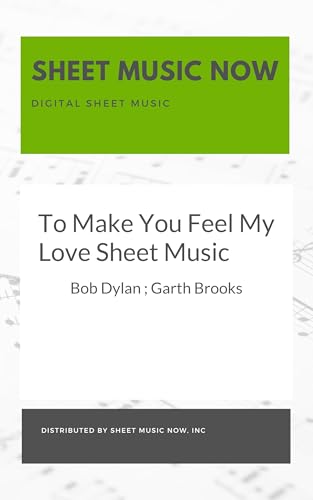
2. “Make You Feel My Love” by Bob Dylan (popularized by Adele)
This timeless love song has been covered by many artists, but its piano version remains straightforward and evocative. The chord progressions are gentle, and the melody is tender, making it a favorite among simple love songs to play on Valentine’s Day. I enjoy playing this song slowly, allowing its sincerity to shine through each note.
Whether you prefer the Bob Dylan original or Adele’s cover, this song is a masterclass in descending bass lines.
- Key: Usually played in G Major (1 sharp: F#).
- The Technical Challenge: The left hand moves down the scale while the right hand stays static. This is called “inverted counterpoint” in some theory circles.
- Performance Tip: Play this very slowly, around 65-70 BPM. The beauty lies in the lyrics’ sincerity, so let each chord ring out fully before moving to the next.
 Kindle editionRead on Kindle ›
As an Amazon Associate I earn from qualifying purchases.
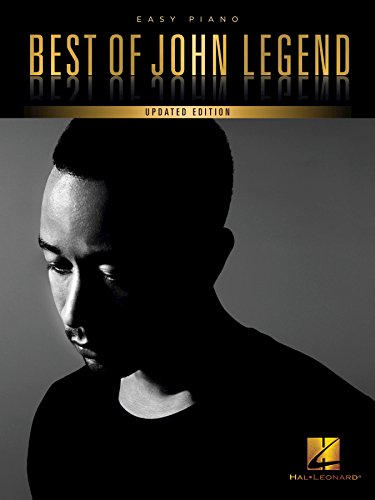
3. “All of Me” by John Legend
“All of Me” has become a modern standard for romantic piano music. Its moderate tempo and repetitive chord structure make it approachable for intermediate players. The song’s heartfelt lyrics and expressive melody create a beautiful atmosphere. When I play it, I focus on smooth transitions and dynamics to bring out the song’s emotional nuances.
John Legend’s masterpiece is a study in Ab Major (4 flats: Bb, Eb, Ab, Db). While 4 flats may sound intimidating for a beginner, the hand position is remarkably ergonomic because the black keys are easier for the longer fingers (2, 3, and 4) to reach.
- The Rhythmic Hook: The song uses a syncopated rhythmic pulse. The left hand plays on the “off-beats.”
- The Chord Loop: The verse is a simple loop: Fm – Db – Ab – Eb. Memorize this loop, and you can play the entire song by heart in one afternoon.
- Expert Insight: To make this sound “soulful,” play the chords in the right hand with a slightly “weighted” touch, as if you are pressing into a deep cushion.
 Kindle editionRead on Kindle ›
As an Amazon Associate I earn from qualifying purchases.
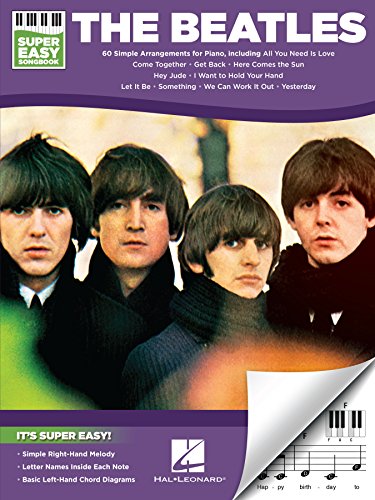
4. “Yesterday” by The Beatles
A classic that has stood the test of time, “Yesterday” features a simple melody with straightforward accompaniment. It’s an excellent choice for pianists looking for a song that’s both recognizable and easy to play. I love how its nostalgic tone fits perfectly with Valentine’s Day, evoking tender memories and feelings.
“Yesterday” is one of the most covered songs in history because its melody is mathematically perfect.
- Key: F Major (1 flat: Bb).
- The Structure: It utilizes a “Seven-3-Six” (vii – III – vi) progression in the bridge, which provides a classical, almost Mozart-like sophistication.
- Beginner Shortcut: If the bridge chords are too hard, focus on the verse. The descending line F – Em7 – A7 – Dm is iconic and sufficient to carry the romantic mood.
 Kindle editionRead on Kindle ›
As an Amazon Associate I earn from qualifying purchases.
5. “When I Fall in Love” by Nat King Cole
This song is a romantic standard that has been interpreted by countless artists. The piano arrangement is elegant but uncomplicated, making it accessible for pianists of all levels. Its slow tempo allows for expressive playing, which helps me convey the deep affection and hopefulness embedded in the lyrics.
For those who want a touch of “Old Hollywood” glamour, this Nat King Cole classic is essential.
- Theory Highlight: This song introduces Major 7th chords. Instead of playing a plain C Major (C-E-G), you play C-E-G-B. That one extra note (the B) adds a “dreamy,” nostalgic quality.
- The Touch: Use a soft pedal (Una Corda) if your piano has one. It shifts the hammers to hit fewer strings, creating a muffled, intimate tone perfect for 1940s-style ballads.
4. How I Approach Learning These Songs
When I learn simple love songs for Valentine’s Day, my focus is always on emotional connection first and technique second. I begin by listening closely to different versions of the song to understand its mood and pacing. Then, I work through the sheet music slowly, hands separately at first, to get comfortable with the notes.
I find it helpful to break the song into sections and practice each part until I can play it confidently. Repetition is key, but I also make sure to play expressively rather than mechanically. To me, the goal isn’t to play every note perfectly but to communicate the song’s feeling to anyone listening.
Playing a love song correctly is 20% notes and 80% interpretation. Here is how to achieve that “PianoMode” professional sound.
1. The Art of Voicing (Melody vs. Harmony)
In a simple love song, the melody must “float.”
- The Exercise: Play the right hand Forte (loud) and the left hand Pianissimo (very soft). It will feel exaggerated at first, but to a listener, it sounds like a professional recording.
- The Physics: Apply more arm weight to your right-hand pinky (which usually carries the melody) and keep your left hand “light” by playing with a higher wrist.
2. Mastering Rubato (The Heartbeat of Music)
Valentine’s Day music shouldn’t sound like a metronome.
- How to do it: At the end of a musical phrase, slightly slow down. Imagine a singer taking a breath before the next line. This is called a Ritardando.
- The Caution: Don’t do it in every measure, or the song will lose its pulse. Use it only at the “emotional peaks” and “resolutions.”
3. Advanced Pedaling for Ballads
The sustain pedal is what gives these songs their “halo.”
- Syncopated Pedaling: Strike the chord, then change the pedal. This ensures there is never a gap of silence between chords.
- Half-Pedaling: If you are playing on a high-end digital piano or an acoustic grand, press the pedal only halfway down. This creates a “dreamy” blur without the muddy sound of a full pedal.
5. Tips for Making Simple Love Songs Sound Special
Even when playing easier pieces, there are several ways to make your performance stand out:
- Focus on Dynamics: Vary your volume throughout the song to create contrast. Play softly during introspective moments and build to louder sections with passion.
- Use Pedaling Thoughtfully: The sustain pedal can add warmth and smoothness but avoid overusing it, which might blur the notes.
- Pay Attention to Phrasing: Think of each phrase as a sentence in a conversation, shaping it with rises and falls.
- Stay Relaxed: Keep your hands and arms loose to play with better tone and fluidity.
- Personalize Your Interpretation: Add small nuances or slight rhythmic adjustments to make the song your own.
6. Preparing for Your Valentine’s Day Performance
If you plan to perform for a loved one, I suggest practicing in an environment similar to where you’ll play. This helps you get comfortable with the setting and avoid surprises. Warm up your fingers beforehand and practice the transitions between sections to ensure a smooth flow.
It’s also a good idea to practice playing from memory, if possible. Memorization helps you stay focused on expressing the music rather than reading notes. If memorization feels intimidating, at least familiarize yourself thoroughly with the sheet music so your playing is confident.
If Valentine’s Day is approaching, follow this “PianoMode” practice schedule from February 1st:
- Days 1-3: Focus purely on Hands Separately. Do not try to combine them until the left-hand chords are muscle memory.
- Days 4-7: Slow-motion synchronization. Use the Synchronization Grid method we discussed in previous guides. Play at 50% speed.
- Days 8-10: Add the Sustain Pedal. Focus on “cleaning” the pedal at every chord change to avoid muddy sound.
- Days 11-13: Add Dynamics and Expression. Record yourself on your phone and listen back. Are the melody notes clear? Is the bass too loud?
- Day 14: The Final Performance. Ensure your piano is clean (use a microfiber cloth) and your posture is relaxed.
7. Why Playing Piano on Valentine’s Day Feels So Meaningful
For me, sitting at the piano on Valentine’s Day is a form of storytelling. The songs I play allow me to share my feelings without speaking. Simple love songs are a perfect vehicle for this expression, offering an intimate connection between player and listener.
I find that these songs create moments that linger long after the last note fades. They remind us of love’s power and the beauty in heartfelt simplicity. Every Valentine’s Day, I look forward to sitting down at the keys and playing these melodies that never lose their emotional impact.
8. Encouragement for Beginners
If you’re new to piano, don’t shy away from these simple love songs just because they’re popular or well-known. Many arrangements are designed with beginners in mind or can be simplified without losing their charm. Start by learning the melody alone, then gradually add chords and accompaniment.
Remember, the heart behind the music matters most. Even a simple rendition played with feeling can move an audience deeply. Valentine’s Day is a wonderful opportunity to share your love through music, no matter your skill level.
Playing simple love songs on Valentine’s Day is a rewarding way to celebrate love through music. With a handful of beautiful, easy-to-learn songs, you can create a memorable and heartfelt experience for yourself and those around you. So, whether you’re a beginner or an experienced pianist, I encourage you to embrace these songs and enjoy the special magic they bring to Valentine’s Day.
What are the easiest love songs to play on piano for beginners?
The easiest love songs for beginners include “All of Me” by John Legend, “A Thousand Years” by Christina Perri, and “Love Me Tender” by Elvis Presley. These songs rely on repetitive four-chord structures and slow tempos.
How can I make my piano playing sound more romantic?
To make your piano playing sound romantic, focus on dynamics (playing soft vs. loud), rubato (varying the tempo), and voicing (making the melody louder than the accompaniment). Using the sustain pedal to connect notes smoothly is also essential.
Is “Someone Like You” hard to play on piano?
“Someone Like You” is considered an intermediate piece in its original form due to the fast 16th-note arpeggios. however, a simplified “Easy Piano” version focusing on the melody and basic chords can be learned by a beginner in a few days.
What is the best key for a romantic song?
While subjective, many romantic songs are written in A Major or Db Major. A Major is often seen as “bright and hopeful,” while Db Major is considered “warm and deep” due to its placement on the piano.