Choosing the first instrument is a pivotal moment for any aspiring musician. The decision often boils down to a fundamental debate: the acoustic piano versus the electronic keyboard. While both instruments share a similar interface of black and white keys, they are mechanically, acoustically, and pedagogically distinct. For a beginner, selecting the right tool is not merely a matter of budget or space, but a decision that will shape finger technique, musical ear, and long-term repertoire possibilities. This guide provides an expert, pedagogical analysis of both instruments to help students and parents make an informed choice.
What you will learn in this guide:
- The mechanical differences between acoustic “hammer action” and electronic sound generation.
- The importance of 88 weighted keys for developing proper finger strength.
- Maintenance requirements, including tuning and environmental control.
- How instrument choice impacts learning trajectories (Classical vs. Contemporary).
- Expert recommendations for educational resources to supplement your practice.
Which Instrument is Best for Beginners?
For the vast majority of serious beginners, an 88-key Digital Piano with fully weighted, graded hammer action is the optimal choice. It offers the authentic tactile resistance of a traditional acoustic piano, essential for building muscle memory and dynamic control—while remaining affordable, portable, and maintenance-free. If the student’s primary goal is classical performance, a high-quality Acoustic Upright is the gold standard for tonal richness. Conversely, a 61-key Keyboard should only be considered as a temporary, budget-entry point for casual hobbyists or those interested strictly in electronic music production.
1. Mechanical Distinctions: How Sound is Born
Understanding the choice begins with understanding the physics of the instrument.
The Acoustic Piano: A Percussion Instrument
An acoustic piano is technically a percussion instrument. When a key is depressed, a wooden lever activates a felt-covered hammer that strikes high-tension metal strings. These vibrations are amplified by a large wooden soundboard. This mechanical process is known as the “Action.”
- Dynamic Range: Because the player is physically throwing a hammer, the volume and tone change infinitely based on the velocity of the strike.
- Sympathetic Resonance: When one note is played, other strings vibrate slightly in sympathy, creating a complex, organic “aura” of sound.
The Keyboard and Digital Piano: Electronic Sampling
Electronic keyboards do not have strings. Instead, they use sensors to trigger a digital recording (a “sample”) of a high-end concert grand piano.
- Polyphony: This refers to how many notes the instrument can “speak” simultaneously. Higher-end models offer 128-note or 256-note polyphony to prevent notes from cutting off during complex passages.
- Versatility: Unlike the piano, which produces one primary timbre, keyboards can emulate hundreds of instruments, from pipe organs to synthesizers.
To understand the debate between acoustic and digital, one must first master the physics of sound generation. The acoustic piano is technically categorized as a percussive instrument. When a player depresses a key, a complex mechanical sequence known as the “action” is initiated. A wooden lever activates a felt-covered hammer, which is thrown against high-tension metal strings. These vibrations are then amplified by a large wooden soundboard. This mechanical process allows for an infinite dynamic range; the player physically influences the velocity and force of the strike, changing the volume and timbre simultaneously. Furthermore, acoustic instruments benefit from sympathetic resonance, a phenomenon where striking one note causes other strings to vibrate in sympathy, creating a complex, organic “aura” of sound that is inherently unique to every physical instrument.
In contrast, electronic keyboards and digital pianos do not possess strings or hammers in the traditional sense. Instead, they utilize sensors to trigger sound. In the 2026 market, this is primarily handled through two competing technologies: high-definition sampling and physical modeling. Sampling involves triggering digital recordings of premium concert grand pianos, such as the Yamaha CFX or the Shigeru Kawai SK-EX. Modern 2026 models utilize multi-layered sampling, where each key has dozens of recordings representing different strike velocities to prevent the “machine-gun effect” of repeated notes. Physical modeling, championed by brands like Roland, uses powerful processors to solve mathematical equations in real-time that simulate the behavior of a physical piano’s components. This allows for a level of expressive variability and “limitless” polyphony that sampling can rarely match, particularly in complex passages where dozens of notes must ring out simultaneously without being cut off by processing limits.
| Feature | Acoustic Piano | Digital Piano (2026 High-End) | Portable Keyboard |
| Sound Mechanism | Physical String Vibration | Modeling/Sampling Engines | Basic Waveform Samples |
| Dynamic Response | Analog/Infinite | High-Resolution Digital (127+ layers) | Limited/Step-based |
| Resonance Type | Natural Sympathetic | Algorithmic Simulation (VRM/AiR) | None/Static Reverb |
| Polyphony | Naturally Infinite | 256 or Limitless | 32 – 64 Notes |
| Tactile Feedback | Natural Kinetic Resistance | Haptic Vibration (on flagship models) | Spring-loaded |
2. Developing Proper Technique: The “Action” Factor
The most significant hurdle for a beginner using a budget keyboard is the lack of Weighted Action.
Graded Hammer Action
In a traditional piano, the keys in the bass (lower) register feel slightly heavier than the keys in the treble (higher) register. This is because the hammers for lower notes are larger.
- Pedagogical Impact: High-quality digital pianos mimic this “Graded Hammer Standard.” Practicing on these keys builds finger independence and inter-muscular coordination.
- Muscle Memory: If a student learns on “unweighted” keys (which use simple springs), they will find a real piano physically exhausting and difficult to control.
Touch Sensitivity
Touch sensitivity is the ability of the instrument to respond to how hard a key is pressed. On an acoustic piano, this is a natural physical law. On a keyboard, this is handled by velocity sensors. For a beginner to learn Dynamics (the art of playing loud and soft), the instrument must have a high level of touch sensitivity.
3. Maintenance, Space, and Practicality
Beyond the music, the physical reality of owning an instrument must be considered.
Maintenance and Tuning
- Acoustic Pianos: These are made primarily of wood and felt, which are highly sensitive to humidity and temperature. They require professional tuning at least twice a year. Middle C (C4) is traditionally tuned to 261.6 Hz, and A4 to 440 Hz. If a piano is not tuned, the student’s ear will develop an incorrect sense of pitch.
- Keyboards/Digital Pianos: These never require tuning. They are “plug-and-play” and maintain perfect pitch regardless of the environment.
Practicality in Modern Living
- Silent Practice: One of the greatest pedagogical advantages of digital instruments is the headphone jack. This allows for focused practice at any time of day without disturbing others.
- Portability: A standard upright piano weighs between 400 and 500 pounds and requires professional movers. A portable digital piano can be moved by one person and stored in a closet if necessary.
Beyond the musicality, the physical reality of owning an instrument must be addressed. Acoustic pianos are living entities made primarily of wood, wool, and metal, making them highly susceptible to humidity and temperature fluctuations. In the 2026 market, professional tuning is essential at least twice a year to maintain the structural integrity and pitch accuracy of the instrument. Traditional tuning maintains Middle C (C4) at approximately 261.6 Hz and the tuning reference A4 at 440 Hz. Failure to maintain these frequencies can hinder a student’s ear development, leading to an incorrect sense of absolute and relative pitch.
Acoustic Piano Maintenance Costs (2026 Estimates)
Data from major urban centers in the USA and UK indicate that maintenance costs have risen alongside labor rates. For an acoustic owner, these are recurring expenses that must be factored into the total cost of ownership.
| Service Type | Frequency | USA Average (2026) | UK Average (2026) |
| Standard Tuning | Every 6-12 months | $100 – $200 | £80 – £120 |
| Pitch Raising | After long neglect | $150 – $350 | £130 – £200 |
| Regulation (Action) | Every 5-10 years | $200 – $550 | £180 – £450 |
| Voicing (Tone) | As needed | $150 – $300 | £120 – £250 |
| Climate Control System | One-time install | $400 – $800 | £350 – £650 |
In contrast, digital pianos and electronic keyboards never require tuning. They are “plug-and-play” instruments that maintain perfect pitch regardless of the environment. This stability makes them ideal for regions with harsh seasonal changes. Furthermore, the practical advantages of digital instruments in modern living cannot be overstated. The inclusion of dual headphone jacks allows for focused, silent practice at any hour, a feature that 2026 market trends show is the primary driver for adoption in urban apartments. Portability is another factor; while a standard upright weighs between 400 and 500 lbs and requires professional movers costing $300+, a portable digital piano like the Yamaha P-225 weighs under 30 lbs and can be stored in a closet.
4. Comparison Table: Keyboard vs. Digital vs. Acoustic
For the beginner looking to buy in 2026, the market is segmented into three primary categories based on budget and performance needs. The current leaders have dominated through user-centric design and the integration of AI-driven learning tools.
Top-Tier Beginner Models
These are the “slabs” or portable units that offer 88 weighted keys without a heavy cabinet.
- Yamaha P-145: The industry standard for beginners, offering a reliable weighted action and a clean, sampled Yamaha grand piano sound.
As an Amazon Associate I earn from qualifying purchases.
- Yamaha P-225 (≈ $699): Featuring the GHC (Graded Hammer Compact) action and the sound of the CFX concert grand, this is a top pick for students needing Yamaha quality in a small footprint.
As an Amazon Associate I earn from qualifying purchases.
- Kawai ES120 (≈ $949): Noted for its “Harmonic Imaging” and exceptionally realistic key action for the price, it is favored by those prioritizing touch over extra digital features.
As an Amazon Associate I earn from qualifying purchases.
- Roland FP-10 (≈ $499): Often cited as the best value for a complete beginner, offering the PHA-4 action which is significantly better than competitors in this sub-$500 price bracket.
As an Amazon Associate I earn from qualifying purchases.
Mid-Range Consoles ($1,000 – $2,500)
These instruments feature a furniture-style cabinet and integrated three-pedal units (Sustain, Soft, Sostenuto).
- Casio Celviano AP-S450 (≈ $1,799): A “heavy hitter” that delivers a slim cabinet design with advanced Smart Hybrid Hammer Action.
As an Amazon Associate I earn from qualifying purchases.
- Yamaha Clavinova CLP-825 (≈ $2,099): The new 2025/2026 entry into the Clavinova line, utilizing the GrandTouch-S action and binaural sampling for a superior headphone experience.
- Roland RP701 (≈ $1,459): A solid family piano with Bluetooth connectivity for lesson apps and a powerful speaker system.
As an Amazon Associate I earn from qualifying purchases.
Console-Style (Furniture) Options
If the instrument is intended to be a permanent fixture in a home, “console” models provide integrated stands and three-pedal systems:
- Donner DDP-80: Features a modern aesthetic with fully weighted keys.
As an Amazon Associate I earn from qualifying purchases.
- Casio PX-870 Privia: Offers a powerful sound system and a high level of touch sensitivity.
As an Amazon Associate I earn from qualifying purchases.
- Roland F107: A slim, elegant console piano with Roland’s signature supernatural sound engine.
As an Amazon Associate I earn from qualifying purchases.
Premium Flagships and Hybrids ($3,000 – $15,000)
These models are for those who want no compromises in touch and tone.
- Roland LX-9 (≈ $6,400+): The 2026 flagship featuring “Piano Reality Modeling” and haptic key vibration to simulate the physical feel of an acoustic instrument.
- Kawai CA901 (≈ $4,600+): Famous for its real wooden soundboard speaker system and long wooden-key action.
- Yamaha AvantGrand N1X (≈ $10,000+): A true hybrid that contains a complete mechanical grand piano action inside a digital shell.
5. Long-Term Educational Goals
The choice of instrument should align with the student’s curriculum.
The Classical Path
If you intend to follow a formal syllabus like the Royal Conservatory of Music (RCM) or ABRSM, an 88-key weighted instrument is mandatory. Classical repertoire frequently spans the entire keyboard, and the expressive nuances required for composers like Beethoven or Liszt cannot be replicated on unweighted keys. The “Double Escapement” found in acoustic grands or high-end hybrid digitals allows for the rapid note repetition found in many virtuoso pieces.
Pop, Rock, and Music Production
For students interested in contemporary music, songwriting, or digital production, the electronic keyboard’s MIDI connectivity is a primary asset. Modern MIDI via USB-C or Bluetooth allows the instrument to act as a controller for software like Ableton or Logic Pro. High-end stage pianos like the Nord Piano 6 provide immediate hands-on control over layers of synths, organs, and effects, making them the industry standard for performing musicians.
Recommended Learning Resources
To supplement your new instrument, the following resources are highly recommended for adult and young beginners alike:
- Alfred’s Basic Adult All-in-One Course: A comprehensive method that integrates lesson, theory, and technique.
As an Amazon Associate I earn from qualifying purchases.
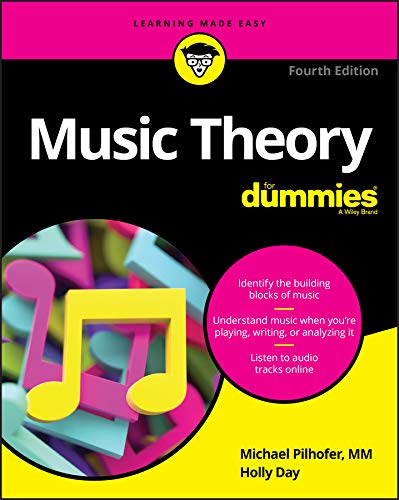
- Music Theory for Dummies: An excellent foundational text for understanding the structural “why” of music.
 Kindle editionRead on Kindle ›
As an Amazon Associate I earn from qualifying purchases.
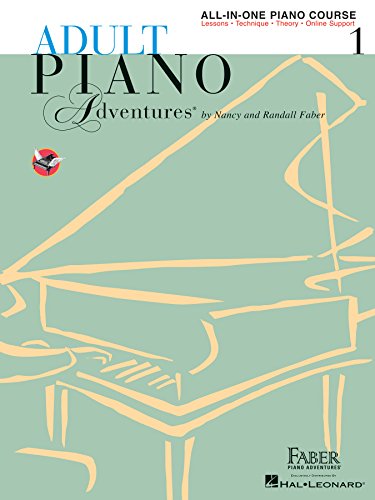
- Faber Piano Adventures (Adult or Primer): Highly respected for its pedagogical sequencing and engaging repertoire.
 Kindle editionRead on Kindle ›
As an Amazon Associate I earn from qualifying purchases.
- Hanon: The Virtuoso Pianist: Essential for developing finger strength and dexterity through technical exercises.
 Kindle editionRead on Kindle ›
As an Amazon Associate I earn from qualifying purchases.
Recommended Accessories
- Sustain Pedal: If your instrument does not include one, the M-Audio SP-2 is a universal damper pedal that provides the correct resistance.
As an Amazon Associate I earn from qualifying purchases.
- Piano Bench: Maintaining the correct height is vital. The Roland Piano Bench or a padded adjustable bench ensures proper posture.
As an Amazon Associate I earn from qualifying purchases.
- Lighting: The BenQ Piano LED Lamp provides specialized illumination across the entire width of the keyboard without glare.
As an Amazon Associate I earn from qualifying purchases.
Conclusion
The debate between keyboard and piano is not about which is “better,” but which is more effective for the student’s specific developmental stage. For a lasting musical education, prioritize weighted keys and an 88-key range. This ensures that the transition to any instrument in the future is seamless and that the student develops the strength and ear necessary for high-level musicianship.
By investing in a high-quality digital piano such as the Yamaha P-145 or Roland FP-10, the beginner ensures a foundation of correct technique and acoustic appreciation. Supplemented by authoritative literature like Alfred’s Basic Adult Course and proper accessories, the student is well-equipped to progress from their first scales to complex masterpieces.
Is it okay to start on a 61-key keyboard?
It is acceptable for the first 3-6 months of learning. However, as the student progresses to “Grand Staff” reading (using both Treble and Bass clef), they will quickly run out of notes for the left hand.
Do I need to buy a piano bench?
Yes. Proper posture is critical for preventing repetitive strain injuries. A dedicated piano bench is set at the correct height to allow the elbows to be level with the keys.
What is the “Sustain Pedal” and is it necessary?
The sustain pedal (the right-most pedal) allows notes to continue ringing after the key is released. It is essential for legato playing. Most keyboards come with a small plastic switch, but a “Damper Pedal” that mimics a real brass pedal is recommended for better control.
Why is Middle C so important?
Middle C (C4) serves as the “anchor” between the two staves in musical notation. It is the starting point for most beginner methods and helps the student orient themselves on the 88-key layout.
Can a beginner learn on a “Roll-Up” or “Foldable” piano?
While products like the Coolmusic 88 Keys Foldable Piano or Pogolab Roll Up Keyboard offer extreme portability, they are not suitable for learning proper piano technique. They lack the mechanical depth and resistance required for finger development and should be used only for travel or casual play.
What is the difference between a “Keyboard” and a “MIDI Controller”?
A keyboard has internal sounds and speakers. A MIDI controller, such as the Studiologic SL88, does not produce sound on its own; it must be connected to a computer or sound module. MIDI controllers are ideal for music producers but may be too complex for a child’s first piano lesson.
Is it difficult to switch from a digital piano to an acoustic one?
If the digital piano has “Fully Weighted Hammer Action,” the transition is relatively smooth. However, a student may need a short period to adjust to the infinite tonal variations and physical resonance of the acoustic instrument.
How long does a digital piano last?
With proper care, a high-quality digital piano from brands like Yamaha or Roland can last 10 to 15 years. Unlike acoustic pianos, they do not appreciate in value but offer significantly lower lifetime costs.