Music is often described as a universal language, but for the human brain, it is a comprehensive multisensory workout. Among all instruments, the piano stands out for its unique ability to engage both hemispheres of the brain simultaneously. For centuries, educators and scientists have observed a correlation between piano proficiency and heightened cognitive abilities. Today, neuroimaging and longitudinal studies provide the evidence: playing the piano fundamentally alters the architecture of the brain, leading to measurable improvements in memory, concentration, and executive function.
In this guide, you will learn the neurological mechanisms behind musical training, the distinction between different types of musical memory, and practical ways that piano practice serves as a tool for lifelong cognitive health.
How does piano improve memory and focus?
Piano practice enhances memory and focus through a process called neuroplasticity, which is the brain’s ability to form and reorganize synaptic connections. By requiring the simultaneous integration of visual (reading music), auditory (listening to tone), and motor (finger movement) signals, the piano forces the brain to strengthen the corpus callosum, the bridge between the left and right hemispheres. This leads to improved working memory, better spatial-temporal reasoning, and a superior ability to maintain sustained attention in complex environments.
1. The Neurology of the Piano: A Full-Brain Workout
To understand how the piano improves cognitive function, one must first understand the concept of Executive Function. This refers to a set of mental skills that include working memory, flexible thinking, and self-control.
Neuroplasticity and Cortical Thickness
Playing the piano is one of the few activities that engages almost every area of the brain at once. When a pianist performs, the primary motor cortex, the auditory cortex, and the visual cortex are in constant communication. Longitudinal research focusing on developing youth has demonstrated that playing a musical instrument is associated with more rapid cortical thickness maturation in areas essential for motor planning, coordination, and impulse regulation. In a landmark study of 232 healthy individuals between the ages of 6 and 18, MRI data revealed that the duration of musical training significantly influenced the development of the prefrontal, parietal, and motor cortices. These regions are not only responsible for the physical act of playing but are also the primary seats of executive function and focus in the human brain.
In older adults, the piano serves as a potent defense against the natural thinning of the cortex associated with aging. Musically naive seniors who engaged in six months of individualized piano instruction showed measurable increases in cortical thickness in bilateral auditory structures, such as Heschl’s gyrus and the superior temporal sulcus. This suggests that the brain’s plasticity is a lifelong asset, and the “multi-sensory integration” required by the piano provides a uniquely powerful stimulus for anatomical preservation.
The Role of the Corpus Callosum
The piano requires intense bilateral coordination. Unlike a violinist, who uses each hand for a fundamentally different task (bowing vs. fingering), a pianist often performs similar but independent motor tasks with both hands. This “independence of the hands” strengthens the corpus callosum. A more robust corpus callosum allows for faster communication between the analytical left brain and the creative right brain, leading to better problem-solving skills and faster mental processing speeds.
The physical makeup of the brain in expert pianists differs substantially from that of non-musicians in both its “processing units” (gray matter) and its “communication cables” (white matter). Researchers have identified higher gray matter density in the primary sensory-motor cortex and the cerebellum of professional pianists, indicating a superior capacity for processing fine motor skills.
Furthermore, the integrity of white matter tracts, specifically the internal capsule, which carries corticospinal signals, is significantly enhanced through long-term practice. This structural adaptation is supported by the repetitive rehearsal of complex skills, leading to an increased number of synapses per neuron and more efficient neural communication.
| Brain Region | Observed Structural/Functional Change | Primary Cognitive Outcome |
| Prefrontal Cortex | Increased cortical thickness maturation. | Enhanced inhibitory control and sustained attention. |
| Motor Cortex | Reduced asymmetry and increased gray matter volume. | Refined bimanual coordination and manual dexterity. |
| Auditory Cortex | 25% greater activation for instrumental tones. | Improved speech-in-noise perception and auditory discrimination. |
| Corpus Callosum | Larger anterior portion and increased midbody volume. | Accelerated interhemispheric communication and problem-solving. |
| Fornix | Stabilized white matter microstructure in seniors. | Protection of episodic verbal memory and long-term recall. |
2. Strengthening the Memory Systems
Piano playing does not just “improve memory” in a general sense; it specifically targets and optimizes three distinct memory systems.
Working Memory (Short-Term Processing)
Working memory is the brain’s “RAM.” It allows you to hold and manipulate information in your mind over short periods. When reading a new piece of sheet music, a pianist must look ahead at the next measure while playing the current one. This constant “buffering” of information is a high-level exercise for the prefrontal cortex, significantly increasing working memory capacity.
Muscle Memory (Procedural Memory)
Procedural memory is the long-term memory of how to perform actions. Through the repetition of scales, arpeggios, and technical exercises, the brain automates motor sequences. This is stored in the cerebellum and the basal ganglia. Once a piece is “in the fingers,” the cognitive load is reduced, allowing the brain to focus on higher-level tasks like emotional expression and dynamics.
Memorizing a piece of music is a multi-stage process that involves the transition from declarative to procedural memory :
- Declarative Memory (Explicit): This system manages facts and events that can be consciously recalled and “declared”. When first learning a piece, the student uses declarative memory to identify the key signature, recognize the notes on the staff, and verbalize the fingering patterns. Mnemonic devices, such as “Every Good Boy Does Fine,” are classic examples of declarative tools used in early piano pedagogy.
- Procedural Memory (Implicit): This system handles “how-to” knowledge and the acquisition of physical skills through repetition. As a piece is practiced, the motor sequences are transferred to the striatum and motor cortex, becoming deeply embedded habits. Once a piece is “in the fingers,” the pianist no longer consciously thinks about each note; the memory has become procedural, allowing for the automatic execution of passages at speeds up to 30 notes per second—a rate that surpasses visual reaction times.
Analytical and Structural Memory
Memorizing a complex sonata involves understanding the Harmonic Elaboration and structure of the piece. As noted in advanced music theory, recognizing patterns like the “Circle of Fifths” or “Seventh Chord Resolutions” allows the brain to “chunk” information. Instead of memorizing 1,000 individual notes, the brain memorizes 20 harmonic movements. This ability to recognize patterns is a transferable skill that improves logical reasoning and data retention in professional and academic settings.
Working memory is the ability to maintain and manipulate information in the mind over short periods. This is the most critical memory system for the skill of Lecture à vue (Sight-reading). Expert pianists do not read the notes they are currently playing; instead, their eyes remain several measures ahead in the score, storing upcoming information in a “buffer” while the hands execute the previously read passage.
Research published in Psychological Science indicates that while practice is essential, an individual’s baseline working memory capacity can be a limiting factor in their ultimate sight-reading proficiency. However, the act of piano practice itself is a constant exercise for this capacity, forcing the brain to store, update, and retrieve information with extreme rapidity.
3. Focus, Discipline, and the “Flow State”
In an age of digital distraction, the piano offers a sanctuary for Deep Work.
Sustained Attention and the Metronome
The use of a metronome is a primary tool for developing focus. Maintaining rhythmic integrity requires a level of concentration that blocks out external stimuli. This training in “sustained attention” helps the brain resist the urge to multitask poorly, instead favoring a singular, intense focus on the task at hand.
Achieving the Flow State
Psychologist Mihaly Csikszentmihalyi defined “Flow” as a state of complete immersion in an activity. Piano practice is a “Goldilocks” task, it is neither too easy (leading to boredom) nor too difficult (leading to anxiety) once the appropriate repertoire is chosen. Regular entry into the flow state through piano practice lowers cortisol levels and trains the brain to find clarity and calm during high-pressure tasks.
| Feature | Cognitive Benefit | Real-World Application |
| Sight-Reading | Visual-Spatial Reasoning | Navigation and Math |
| Bilateral Coordination | Hemispheric Integration | Faster Decision Making |
| Rhythmic Accuracy | Temporal Processing | Speech and Language Syntax |
| Memorization | Hippocampal Growth | Information Retention |
4. Visual-Spatial Reasoning and Multitasking
Reading music is a complex feat of Auditory-Motor Mapping. The brain must translate a vertical spatial representation (dots on a staff) into a horizontal spatial movement (keys on a piano).
Spatial-Temporal Reasoning
This is the ability to visualize various patterns and understand how they fit together. Studies have shown that piano students score significantly higher in spatial-temporal tasks than their peers. This is why piano is often linked to success in engineering, architecture, and mathematics.
Cognitive Flexibility
Multitasking is usually a myth; the brain simply switches between tasks rapidly. However, piano playing trains Cognitive Flexibility—the ability to juggle multiple streams of information (rhythm, pitch, dynamics, pedaling) simultaneously. This enhances the “Executive Controller” of the brain, making it easier to manage complex projects without feeling overwhelmed.
5. Advanced Pedagogical Strategies for Cognitive Mastery
To achieve the level of focus and memory required for virtuosity, modern piano pedagogy employs several advanced psychological strategies derived from cognitive science.
The Psychology of Chunking
Chunking is the cognitive process of grouping small, related bits of information into larger, interpretable units. In the field of chunking psychology, this strategy is recognized as the fundamental mechanism by which humans overcome the severe limitations of working memory.
- Bite-Sized Missions: A pianist might break a complex piece like “Let It Be” into “chunks” such as the intro chord progression, the right-hand melody, and the left-hand rhythm.
- Pattern Recognition: By recognizing motifs and structural patterns, the brain can treat multiple notes as a single object. This “cognitive compression” allows for more depth of information to be processed without exceeding mental capacity.
Interleaved Practice: Cross-Training for the Musical Brain
Most students utilize “blocked practice,” where one skill or passage is repeated for a large block of time. However, Interleaved Practice involves switching between different tasks, pieces, or techniques within a single session (e.g., practicing scales for 5 minutes, then a jazz piece for 5 minutes, then returning to scales).
- The Spacing Effect: Spacing practice sessions over time and mixing content types enhances long-term retention.
- Neural Reconstruction: When switching tasks, the brain must “forget” the previous motor pattern and “retrieve” and “reconstruct” the neural pathway for the new one. This effortful process creates stronger and more flexible connections than simple repetition. It also combats the “illusion of knowing,” where a student feels they have mastered a piece in a single sitting, only to find the memory has vanished the next day.
Mental Rehearsal and Sensory Visualization
Mental Practice is a high-level technique used by expert pianists to enhance memorization and performance fluency while avoiding physical overuse or injury.
- Internal Audiation: The performer “hears” the music inside their head while practicing the fingerings on a flat surface or in the air.
- Vivid Simulation: Effective mental rehearsal involves visualizing hand movements, tactile sensations, and even the emotional state associated with the performance. fMRI studies of expert pianists have shown that mental imagery rehearsal activates nearly identical motor and working memory regions as physical playing, confirming its efficacy in strengthening neural pathways
6. Long-Term Benefits: Aging and Mental Longevity
One of the most profound impacts of the piano is its role in “Cognitive Reserve.” As we age, the brain naturally loses synaptic density. However, individuals with a history of musical training often show a “younger” brain profile.
- Dementia Prevention: Engaging in complex mental activities like piano playing has been shown to delay the onset of symptoms in Alzheimer’s and other forms of dementia.
- Speech Processing: Because music and language share the same neural pathways, elderly musicians are better at hearing speech in noisy environments, a common struggle with age-related hearing loss.
- Stabilization of White Matter: In a longitudinal study of healthy elderly individuals, six months of piano training was shown to stabilize the white matter microstructure in the fornix, a tract that naturally declines with age and is critical for episodic memory encoding. While control groups participating in music listening lessons showed a decline in fiber density, the piano group maintained their neural integrity, providing clear evidence that active music-making is superior to passive engagement.
7. Recommended Gear for Optimal Practice
To maximize the memory and focus benefits of the piano, the quality of the practice and the environment are paramount.
- High-Quality Digital Piano: To develop procedural memory, a weighted-action keyboard is essential. The Yamaha P-225 or Roland FP-30X provide the necessary tactile feedback.
As an Amazon Associate I earn from qualifying purchases.
As an Amazon Associate I earn from qualifying purchases.
- Professional Metronome: For focus, a physical metronome like the Wittner Taktell is less distracting than a smartphone app.
As an Amazon Associate I earn from qualifying purchases.
- Studio Headphones: If practicing in a shared space, the Sennheiser HD 280 Pro offers clear, analytical sound that helps with auditory processing.
As an Amazon Associate I earn from qualifying purchases.
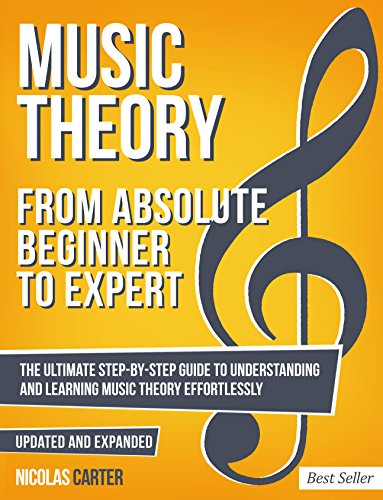
- Reference Literature: Books like “Music Theory for Dummies” or “Music Theory: From Beginner to Expert – The Ultimate Step-By-Step Guide provide the structural knowledge needed to “chunk” musical information for better memory.
As an Amazon Associate I earn from qualifying purchases.
 Kindle editionRead on Kindle ›
As an Amazon Associate I earn from qualifying purchases.
As an Amazon Associate I earn from qualifying purchases.
7. Conclusion
The piano is more than a musical instrument; it is a sophisticated neurological architect. By challenging the brain to integrate sight, sound, and touch, it builds a more connected, resilient, and focused mind. Whether it is through the strengthening of the corpus callosum or the expansion of working memory, the benefits of the piano transcend the concert hall and permeate every aspect of daily cognitive life. For those seeking to sharpen their intellect and preserve their mental acuity, the piano bench is perhaps the most effective “brain gym” available.
Start with just 20 minutes of deliberate practice today. Focus on a single measure, master the hand independence, and feel your cognitive boundaries expand.
Does playing piano make you smarter?
While “smarter” is subjective, piano playing significantly improves IQ scores in children and enhances Executive Function in adults. It optimizes how the brain processes information, which leads to better performance in analytical tasks.
Can piano playing actually improve my IQ?
Research by Schellenberg (2004) found that children who received 36 weeks of keyboard lessons showed a small but statistically significant increase in IQ compared to those in drama or control groups. For adults, the benefits are more focused on preserving and enhancing executive function and memory.
Can adults benefit from piano as much as children?
Yes. While children have higher levels of “brain plasticity,” adult brains are still capable of Neurogenesis. Adults often have a superior ability to understand the complex “Logic” of music theory, which helps in analytical memory.
How long does it take to see cognitive improvements?
Studies suggest that as little as six months of consistent piano practice can lead to measurable changes in brain structure and improvements in memory testing.
Is it better to learn by ear or by sheet music?
Both are vital. Reading sheet music improves visual-spatial reasoning, while learning by ear improves auditory processing and tonal memory. A balanced approach yields the best cognitive results.
How long does it take for brain changes to appear?
Surprisingly little time is required for initial “plastic” changes. Studies using transcranial magnetic stimulation (TMS) found increased cortical representation of finger muscles after just five days of 2-hour piano practice sessions.
What is the “Devil’s Interval” and why does it matter?
The “Tritone” (an interval of 6 half steps) was historically called the “devil in music” because of its extreme dissonance. In modern piano training, the tritone is used to create tension and demand resolution, which exercises the brain’s ability to process and anticipate harmonic changes.
Why should I practice with hands separately if I want hand independence?
Isolating each hand allows the brain to focus on the unique challenges of fingerings and hand positions for that specific part. Once the motor patterns for each hand are mastered independently, integrating them requires less mental effort, facilitating a smoother transition to bimanual coordination.
Sources & References
Feezell, Mark. Music Theory Fundamentals (High-Yield Music Theory, Vol. 1). LearnMusicTheory.net. This source provided the theoretical framework for Harmonic Elaboration and Seventh Chord Resolutions (Section 5.6), which are essential for the “Analytical and Structural Memory” and “Chunking” strategies discussed in Section 2.
Pilhofer, Michael & Day, Holly. Music Theory For Dummies. Wiley Publishing, Inc. Referenced for the definitions of Executive Function and the “Full-Brain Workout” concept. This text also informs the discussion on rhythmic integrity and the use of the metronome to build sustained attention.
Martin, Lawrence. Basic Music Theory for Adult Beginner-Level Piano Players (Piano Syllabus). Lakeside Press. Used for the pedagogical distinction between Declarative Memory (mnemonic devices like “Every Good Boy Does Fine”) and Procedural Memory (Section 13 on chord progressions and motor automation).
Neuromusicology Research & Longitudinal Studies:
- MRI Data on Youth Development: Findings regarding the prefrontal, parietal, and motor cortices are based on neuroimaging studies of cortical thickness maturation in musically trained children (specifically the landmark study of 232 healthy individuals).
- Senior Cognitive Reserve: Research regarding the stabilization of white matter in the fornix and the increase in cortical thickness in Heschl’s gyrus after six months of piano training is derived from clinical studies on age-related cognitive preservation through active music-making.
Creative Commons / Anonymous. Music Theory v. 1.0. (CC BY-NC-SA 3.0). Consulted for the structural models of Lecture à vue (Sight-reading) and the cognitive “buffering” required to store upcoming musical information.