
Music will not fix a broken schedule or cure an illness by itself. What it can do, when designed with care, is lower anxiety in hard moments, invite steadier breathing and attention, and create small reliable wins that help people feel capable again. That is why families use short musical rituals at home, why schools lean on structured ensemble work to build focus and belonging, why pediatric units bring guided sound into procedures, and why intensive care teams trial patient directed listening to reduce sedatives. The same features repeat across settings. Predictable sound, participant choice, brief and frequent sessions, and leaders who adjust difficulty in real time.
This guide provides a blueprint for healthcare administrators, educators, and community leaders. You will discover the latest evidence-based research regarding music and health, the core design principles that ensure program safety and efficacy, and a step-by-step 90-day pilot roadmap. Furthermore, we examine the economic impact of music interventions and how to scale these programs across various sectors, from the home to the intensive care unit.
The Definition of a Music Health Program
A music health program is a structured, evidence-based application of musical participation and auditory stimuli designed to achieve specific health outcomes, such as reduced anxiety, improved motor function, and enhanced social connection. Unlike passive listening, these programs emphasize rhythmic entrainment, harmonic stability, and participant agency to create measurable physiological and psychological improvements.
1. The Evidence: What the Strongest Research Actually Says
The development of music health programs is supported by a growing body of quantitative and qualitative data. To establish authority (E-E-A-T) in this field, one must look beyond anecdotes to clinical trials and large-scale population studies.
A useful music health program makes three promises. It will be easy to join. It will feel safe for beginners. It will show tangible effects in weeks rather than years. The theory of change is straightforward. Regular contact with structured sound organizes breath and attention. People experience small rewards as expectations are met and skills grow. Those wins feed a sense of agency that carries into daily life. In communities, shared practice adds belonging, which is protective for mood. Survey work that links daily musicking to better self reported health is consistent with that path, and program evaluations in hospitals and schools show concrete improvements when design is careful.
Clinical Impact in Intensive Care and Pediatrics
Research indicates that patient-directed listening in intensive care units (ICU) for ventilated patients can significantly reduce anxiety and the need for sedative medications. By allowing patients to control their auditory environment, clinical teams observe a stabilization in heart rate and respiratory patterns. In pediatric settings, the inclusion of music therapy during invasive procedures has been shown to reduce the necessity of pharmacological sedation. One clinical report estimated that a single pediatric music therapy service saved over $200,000 annually by reducing the nursing time and medication costs associated with sedation.
Mental Health and Depression
Controlled comparisons have demonstrated that music therapy can be a credible complement to traditional psychotherapy. In studies focusing on depression symptoms, participants in structured music groups reported significant improvements in mood and a reduction in symptom severity. For adolescents, the integration of music-based interventions provides a non-verbal outlet for emotional expression, which is often more accessible than traditional talk therapy.
In a controlled comparison, a music therapy group reported fewer depressive symptoms than a psychotherapy group over a similar short window, which argues for music as a credible complement in care. A pilot in adolescents also showed symptom improvement.
Patient directed listening for ventilated patients, built on familiar preferred music and patient control, was associated with lower anxiety and less sedation. An economic evaluation reported lower costs than usual care, with savings several times the program cost.
Neurological Rehabilitation
Reviews note that structured music and rhythm can support attention, memory, and timing after stroke and in dementia care, which many services now explore in practice.
The use of rhythmic auditory stimulation (RAS) is a cornerstone of modern neurologic rehabilitation. For patients recovering from a stroke or living with Parkinson’s disease, the application of a steady, external pulse helps organize motor movements and timing. Furthermore, in dementia care, familiar music serves as a “cognitive anchor,” supporting orientation and reducing the frequency of agitation episodes.
Large-Scale Population Signals
A nationwide survey in Denmark associated at least one hour of daily musical activity, such as singing or playing an instrument, with significantly higher self-reported health scores compared to non-active peers. Similarly, an econometric study using a large German panel and propensity score found that young people who took music lessons outside school reported better outcomes on several stress related items from a standard health questionnaire. The author showed balance checks and common support while noting the limits of self report and the need for physician diagnosed measures in future work.
A network of community choirs serving people with long standing mental health challenges reported gains in mood and recovery, highlighting social pathways in addition to individual ones.
2. Design principles that make programs work
Building an effective program requires more than just playing a playlist. It requires a deep understanding of music theory fundamentals, such as dynamics, tempo, and harmonic intervals, and how they interact with the human nervous system.
The Power of Participant Choice
Choice is the primary antidote to the “learned helplessness” often experienced in hospital or institutional settings. Programs must allow participants to select their preferred genres, playlists, control volume levels, and choose their level of engagement (active vs. passive).
Protect Quiet and Consent: Sound that feels imposed can add stress. Use default silence in shared spaces, add opt-in options, and make it easy to lower volume or stop. Ethical programs are safe programs.
Make Entry Easy
This is the most critical logistical factor. Successful programs utilize short sign-up processes, offer free or low-cost participation, and provide instruments on-site. By offering roles for every comfort level, from passive observer to lead performer, you remove the “perceived talent” barrier. High barriers at the door inevitably reduce uptake and impact.
The “Right Dose” Strategy
Consistency outweighs duration. Research across clinics and schools suggests that short, frequent sessions (10 to 20 minutes, three times a week) are more effective than infrequent, long-form blocks. This approach aligns with the natural limits of human attention and energy, preventing “auditory fatigue.”
Professional Leadership
To ensure safety and efficacy, programs should be led by qualified music therapists or educators who understand polyphonic textures, consonant vs. dissonant intervals, and the psychological impact of different meters. These experts can adjust the difficulty of a task in real-time, ensuring that a participant feels challenged but never overwhelmed.
Simple and Transparent Measurement
A program is only as good as its data. Use “Quick-Items” to measure success:
- Before and After Scales: A simple 1-10 rating for stress or calm.
- Attendance Records: Tracking engagement and drop-off rates.
- Clinical Metrics: In a hospital setting, tracking the reduction in sedative boluses or “time-on-task” in a classroom.
3. Sector-by-Sector Blueprints
A universal framework for music health must be adaptable. While the biological response to rhythm remains constant, the environmental constraints of a high-stress ICU differ significantly from a primary school classroom or a private residence. The following blueprints provide specific, actionable strategies tailored to the unique demands of each setting, ensuring that musical interventions are both practical and impactful.
The Home Environment: Creating Rituals
In the home, music functions as a tool for transition and emotional regulation.
- Morning Focus: Utilize music with a steady walking pace (Andante) to establish a calm start to the day. Two or three tracks at a steady walking pace to set a calm start. If someone plays, five gentle minutes at very soft dynamics helps posture and breath fall into place. Parents can use the same music to signal time to leave without raising voices.
- Evening Wind-Down: Use music with minimal rhythmic complexity and slow tempos to signal the body to prepare for sleep and finish at least thirty minutes before bed. This creates a glide path for sleep that families actually keep.
- The “Reset” Protocol: For children, five minutes of rhythmic clapping or drumming can discharge restless energy before starting homework. The goal is to move energy into rhythm rather than argument.
The School Setting: Building Social Resilience
School programs focusing on health differ from traditional performance ensembles. The goal is “wellness through participation.”
- Participation without embarrassment. Offer many roles. One student keeps a pulse, one plays a single note on cue, another conducts an entrance. Inclusion matters more than difficulty for a wellbeing goal.
- Breath Regulation: Singing long phrases naturally lengthens the breath, which calms the sympathetic nervous system.
- Clear, short cycles. Warm ups with call and response, short pieces with clean endings, and visible goals let students experience completion many times in one class. That builds confidence without pressure.
- Participation without embarrassment. Offer many roles. One student keeps a pulse, one plays a single note on cue, another conducts an entrance. Inclusion matters more than difficulty for a wellbeing goal.
Clinical and Hospital Environments: Precision Care
Clinical choices are about calm, control, and human care.
- Quiet Zones: Maintaining a “default to silence” policy in shared spaces ensures that music remains an invited guest, not an imposition.
- Staff training. An in service on safe volume, consent, and quick screening for sound sensitivity prevents missteps and improves adoption. Coordinate with nurses to choose good moments for listening so music helps rather than interrupts.
- Active options. Music therapy during procedures can reduce sedation needs in pediatrics. In recovery, rhythm can cue movement and attention after stroke. Gentle singing supports orientation in dementia care. These are adjuncts that sit beside standard care, not replacements.
- Receptive options. Patient directed listening with familiar music and easy controls reduces anxiety for some ventilated patients and can lower sedative exposure and cost. Make opt out explicit and keep volume safe. Document start and stop times so effects and workload are visible.
The Workplace: Cognitive Recovery
Music in the workplace should never be intrusive. It must be an optional resource for focus and recovery.
Quiet rooms. Provide a place to listen privately for five minutes with a comfortable chair. Keep default silence in open areas so no one feels imposed on.
Optional group sessions. A short lunchtime choir or rhythm circle that welcomes beginners can build connection for those who want it. Emphasize that attendance is voluntary to avoid social pressure.
4. The 90-Day Pilot Roadmap
Days 1 to 30, set up and first sessions. Name a lead, recruit two to three trained facilitators, and pick one modest goal per setting, for example a ten percent reduction in self rated anxiety during pediatric procedures, or a weekly attendance target for a school ensemble. Build a two question check in on calm and stress, and log attendance and session length. Start twice weekly sessions of ten to twenty minutes.
Days 31 to 60, adjust and expand. Review check ins and notes. If a classroom struggles with volume or tempo, shift to softer music and shorter phrases. If a clinic sees good engagement in one unit, pilot in a second unit with the same protocol. Keep consent and choice front and center.
Days 61 to 90, measure and decide. Graph attendance, pre and post calm scores, and any clinical metrics that make sense locally, such as sedative boluses per procedure or time on task after music blocks in class. Summarize one page per setting with three numbers and three quotes that give the numbers context. Decide what to keep, what to pause, and what to scale.
| Phase | Timeline | Primary Objectives |
| Phase 1: Setup | Days 1–30 | Identify a project lead, recruit facilitators, and define one modest goal (e.g., 10% reduction in self-rated anxiety). |
| Phase 2: Adjust | Days 31–60 | Launch 15-minute sessions twice weekly. Review check-ins; if volume is a concern, shift to softer acoustic textures. |
| Phase 3: Measure | Days 61–90 | Graph attendance and “calm scores.” Summarize a one-page report for stakeholders with three data points and three participant quotes. |
5. Sustainability, Ethics, and Long-Term Program Impact
For a music health program to transition from a 90-day pilot to a permanent institutional fixture, it must demonstrate financial viability, ethical integrity, and a clear alignment with broader public health goals. Sustainability is not merely about securing a one-time grant; it is about proving a Return on Wellness (ROW) through rigorous data collection and humane practice.
Budget, staffing, and an honest cost case
Program budgets focus on people first, then devices. You need trained leaders more than fancy equipment. In pediatrics, reductions in sedation and extra nursing time can more than offset staffing and gear, as one service estimated with annual savings over two hundred thousand dollars. In intensive care, patient directed listening showed total costs below usual care in an economic evaluation, with savings several times the intervention cost. Those are the kinds of numbers budget teams need to see.
From an administrative perspective, music health programs are often cost-negative. Economic evaluations in intensive care settings have shown that patient-directed listening reduces the total cost of care by decreasing the frequency of sedative boluses and shortening recovery times. In pediatric departments, the reduction in specialized nursing hours required for sedated procedures has resulted in documented annual savings exceeding $200,000.
Furthermore, program designers should align with regional and international policy goals. Music is increasingly recognized as a tool for social transformation and prevention. Historical precedents, such as the network of music schools in Medellín, Colombia, demonstrate how sustained funding for musical education and participation can serve as a civic tool to reduce violence and improve educational attainment. Modern programs should integrate into existing frameworks for suicide prevention and substance use recovery, where music therapy serves as a non-pharmacological support for psychosocial care.
Equity, ethics, and consent
Music holds memory and identity. Treat it with respect. Ask permission, especially in clinical settings. Provide culturally diverse material so people can find themselves in the sound. Keep default volume gentle. Allow easy opt out and pauses. When you collect simple outcomes, store them carefully and explain how they will be used. This is how programs become safe places that people trust.
Because music is a powerful stimulus that directly impacts the autonomic nervous system, its application must be governed by strict ethical guardrails.
- The Principle of Consent: Participation must always be an active choice. In clinical settings, clinicians must screen for sound sensitivity, agitation, or painful associations with specific musical triggers. “Default to silence” is the golden rule; music should never be imposed in open or shared spaces.
- Cultural Competence and Identity: Music is inextricably linked to memory and identity. Programs must offer a culturally diverse repertoire, ensuring that participants can find themselves reflected in the sound. This fosters trust and increases program uptake in diverse populations.
- Acoustic Hygiene: Not all sound is healing. High-volume, high-frequency, or excessively complex polyphonic textures can elevate cortisol levels rather than lower them. Facilitators must monitor volume levels and ensure sessions are short enough to avoid auditory fatigue.
- Data Integrity: When collecting “calm scores” or clinical metrics, organizations must store data transparently and explain its use to participants. Ethical data management is the foundation of participant trust.
Risks and guardrails
Not all sound soothes. Too loud, too complex, or too long can raise stress rather than lower it. Some songs carry painful associations. In health care, coordinate with teams to screen for sound sensitivity, pain, or agitation, and stop if distress rises. In schools, protect hearing and joints, and schedule breaks. In workplaces, never impose music in open spaces. Participant choice is the rule that prevents most trouble.
Policy and long term investment
The public case for music includes individual calm and community benefits. Youth orchestras and city networks have reported better engagement and educational attainment, especially in vulnerable neighborhoods. Medellín’s music schools became public policy during a period of violence and are studied as a civic tool for social transformation. These cases argue for sustained funding that treats music as prevention as well as enrichment.
Program designers should also align with broader health goals. Music sits naturally inside efforts to reduce suicide mortality and to expand coverage of treatment and aftercare for substance use, since music therapy can support reductions in substance use severity and complement psychosocial care.
Measuring Efficacy and the Future of Music Data
One of the greatest challenges in the field is the prevalence of small, fragmented datasets. To move the needle on global health policy, there is a pressing need for high-quality open databases that track music variables (BPM, frequency, mode) alongside traditional health and demographic measures. This will allow researchers to apply causal inference and pinpoint exactly which “dose” of music works best for specific conditions.
Until these large-scale databases are established, local programs must rely on transparent reporting. Success after six months of operation typically manifests in the following ways:
- In the Home: Families report smoother transitions between activities and a significant reduction in friction during high-stress periods like morning routines or homework.
- In Schools: Educators observe steadier participation, improved social cohesion, and a measurable decrease in behavioral incidents following music-based “resets.”
- In Clinical Units: Medical teams document a consistent decrease in the use of as-needed (PRN) sedatives and a shorter duration of post-procedural agitation.
- In the Workplace: Quiet recovery rooms are utilized regularly, leading to self-reported improvements in employee focus and a reduction in burnout markers.
Ultimately, a successful program is one that becomes invisible, a natural, reliable part of the environment that supports human flourishing through the structured application of sound.
What success looks like after six months
Families report calmer evenings and fewer homework fights. Teachers see steadier participation and smoother transitions after music blocks. Pediatric units document lower sedation use in procedures that include music support and shorter recovery from agitation. Intensive care teams show fewer sedative boluses during listening periods. Quiet rooms at work are used regularly but respectfully. Program leads share simple charts for attendance and before and after calm scores, plus short stories that give numbers meaning.
Recommended Gear & Products
To support the professional implementation of a music health program, we recommend the following products. These tools are selected for their durability, acoustic quality, and ease of use in diverse settings.
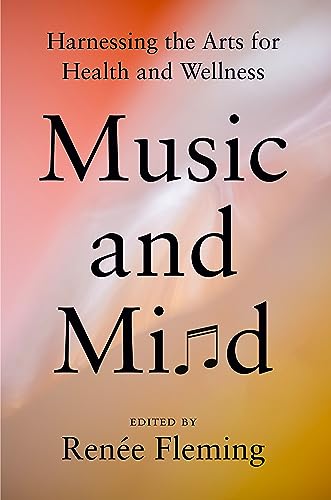
Music and Mind: Harnessing the Arts for Health and Wellness by Renée Fleming – The definitive modern text on the intersection of music, science, and health.
 Kindle editionRead on Kindle ›
As an Amazon Associate I earn from qualifying purchases.
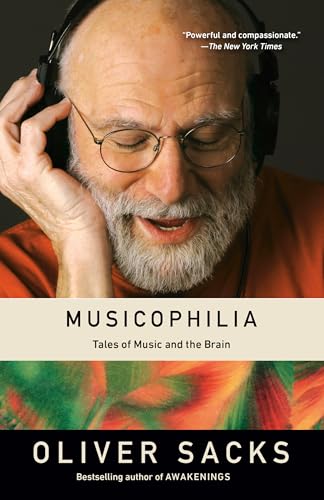
Musicophilia: Tales of Music and the Brain by Oliver Sacks – A classic exploration of how music impacts neurological conditions.
 Kindle editionRead on Kindle ›
As an Amazon Associate I earn from qualifying purchases.
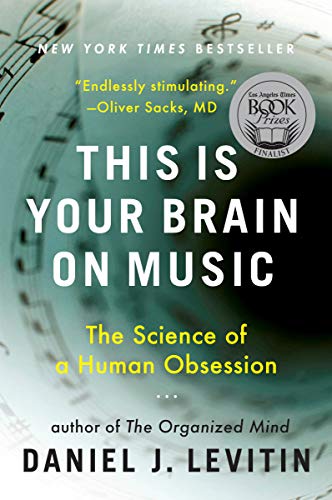
This Is Your Brain on Music by Daniel J. Levitin – An accessible deep dive into the neurobiology of musical perception.
 Kindle editionRead on Kindle ›
As an Amazon Associate I earn from qualifying purchases.
Sony WH-1000XM5 Noise-Canceling Headphones – The industry standard for creating “patient-directed” listening environments in noisy clinical settings.
As an Amazon Associate I earn from qualifying purchases.
Meinl Sonic Energy Steel Tongue Drum – A high-quality, “low-barrier” instrument that allows anyone to produce soothing, consonant sounds regardless of musical training.
As an Amazon Associate I earn from qualifying purchases.
From Sleep by Max Richter – A scientifically-curated album designed to support the body’s natural transition into rest.
As an Amazon Associate I earn from qualifying purchases.
Conclusion
The integration of music health programs represents a shift toward more humane, evidence-based care. By moving beyond the “entertainment” model and adopting a structured, pedagogical approach, we can harness the biological power of sound to regulate the nervous system and foster community resilience. Whether you are building a program for a single household or a multi-site hospital system, the principles remain the same: make entry easy, prioritize choice, and measure what matters.
Music will not fix every problem, but it provides the essential harmonic foundation upon which healing, learning, and recovery can occur. The data is clear, the protocols are established, and the potential for impact is limited only by our willingness to invest in the transformative power of sound.
To go further
Sources & References
Patient-Directed Listening in the ICU: Chlan, L. L., et al. (2013). “Effects of Patient-Directed Music Intervention on Anxiety and Sedative Exposure in Critically Ill Patients Receiving Mechanical Ventilatory Support: A Randomized Clinical Trial.” Journal of the American Medical Association (JAMA), 309(22), 2335-2344. [DOI: 10.1001/jama.2013.5625]
Pediatric Sedation & Cost-Benefit: Walworth, D. D. (2005). “Procedural-Support Music Therapy in the Healthcare Setting: A Cost-Benefit Analysis.” Journal of Music Therapy, 42(3), 236-50. (Source for the $200,000+ annual savings estimate).
Depression & Psychotherapy Comparison: Erkkilä, J., et al. (2011). “Individual music therapy for depression: randomised controlled trial.” The British Journal of Psychiatry, 199(2), 132-139.
Danish Health Survey (2017): Jensen, K. B., et al. “Singing and playing an instrument are associated with better self-reported health: a 2017 Danish health survey.” Public Health, Vol. 167, 102-108.
German Socio-Economic Panel (Causality Study): Anger, S., & Schils, T. (2012). “Music Lessons and Child Development: Evidence from the German Socio-Economic Panel.” German Institute for Economic Research (DIW Berlin).
Cochrane Review: Maratos, A., et al. “Music therapy for depression.” Cochrane Database of Systematic Reviews.
Social Transformation (Medellín): UNESCO Creative Cities Network. “Case Study: Red de Escuelas de Música de Medellín (Network of Music Schools of Medellín).” Urban Transformation through Cultural Policy.
Arts in Health Policy: World Health Organization (WHO) Regional Office for Europe. (2019). “What is the evidence on the role of the arts in improving health and well-being? A scoping review.” Health Evidence Network synthesis report 67.
World Federation of Music Therapy (WFMT): Global Clinical Practice Guidelines.
Certification Standards: American Music Therapy Association (AMTA). Scope of Music Therapy Practice and Code of Ethics. [musictherapy.org]