It began on a Tuesday evening, the kind of day where the grey sky seems to weigh heavily on your shoulders, pressing down with the accumulated stress of deadlines, unspoken frustrations, and the relentless noise of modern existence. I sat at the piano bench, not with the intention of mastering a concerto, but simply to escape. As my fingers found the C-major chord, a simple, resonant triad, something shifted. The noise in my head didn’t just quiet down; it was replaced. This was the moment I understood that the piano is not merely an instrument of music, but an instrument of the mind.
In this comprehensive exploration, we will traverse the landscape where neuroscience meets the soul. We will dissect how the act of navigating eighty-eight keys can rewire the brain, regulate emotional turbulence, and offer a sanctuary that is both scientifically proven and deeply personal.
How does the piano improve mental health? Learning the piano engages the brain’s “executive function” more comprehensively than almost any other activity. It forces the simultaneous processing of visual, auditory, and motor information, which strengthens the corpus callosum, the bridge between the brain’s hemispheres. This neuroplastic workout reduces cortisol (stress hormone) levels while triggering the release of dopamine (reward) and serotonin (mood stabilization). Beyond biology, it acts as a non-verbal emotional outlet, allowing for the processing of complex feelings that language cannot capture, effectively functioning as a form of active meditation that grounds the player in the present moment.
1. The Neuroscience of Sanctuary: Rewiring the Anxious Mind
The Piano as a Cortisol Brake
When we are stressed, our bodies enter a “fight or flight” mode, flooded with cortisol. The modern world keeps this switch flipped “on” far too often. Sitting at the piano forces a physiological shift.
- Parasympathetic Activation: The rhythmic nature of music, particularly when playing pieces with a slower tempo (Largo or Adagio), signals the parasympathetic nervous system to take over. This is the “rest and digest” state.
- Vagus Nerve Stimulation: Deep listening and the vibration of the instrument can stimulate the vagus nerve, which directly controls heart rate and relaxation responses.
Scientific Note: Studies in neuromusicology suggest that the mere anticipation of playing music can lower systolic blood pressure and reduce anxiety markers in the blood.
Neuroplasticity and the “Whole Brain” Workout
Unlike listening to music, producing it is a full-body mental workout. You are reading symbols (visual cortex), translating them into motor movements (motor cortex), listening to the result (auditory cortex), and adjusting in real-time (prefrontal cortex).
- Structural Changes: Long-term practice increases the volume of grey matter in motor, auditory, and visuospatial regions.
- White Matter Integrity: It strengthens the white matter tracts, improving the speed at which different parts of the brain communicate.
2. Emotional Granularity: Speaking Without Words
One of the most profound struggles of mental health is the inability to articulate pain. We often lack the vocabulary for our specific shades of sadness or anxiety. Music provides this vocabulary.
The Theory of Sublimation
Freudian psychology speaks of “sublimation”—the defense mechanism where negative impulses are transformed into positive, socially acceptable actions. The piano is the ultimate tool for sublimation.
- Anger & Frustration: These emotions find a home in the fortissimo chords of a Beethoven Sonata or a Rachmaninoff Prelude. The physical act of striking the keys provides a kinetic release for pent-up tension.
- Grief & Melancholy: These are organized through the minor thirds and descending melodic lines typical of a Chopin Nocturne. By externalizing the grief into sound, the player “shares” the burden with the instrument.
- Anxiety & Chaos: The mathematical precision of J.S. Bach acts as a “straitjacket” for a racing mind. The interlocking puzzles of a Fugue demand total cognitive presence, leaving no room for anxious thoughts.
Definition: Musical Catharsis is the process of releasing, and thereby providing relief from, strong or repressed emotions through the structured performance of music.
When I play, I am not repressing my emotions; I am transmuting them. The piano bench becomes a confessional where no words are needed, and the absolution comes in the form of resolution, the musical tension finally returning to the tonic home.
3. The Cognitive Reserve: Building a Resilient Mind
As we age, or as we face periods of mental fog, the cognitive demand of the piano serves as a protective shield.
Combatting “Brain Fog” and Decline
- Working Memory Expansion: Sight reading requires a “buffer.” You must look ahead at Measure B while your hands are still playing Measure A. This constant stretching of the working memory strengthens the brain’s ability to multitask in high-stress environments.
- Hand Independence: Coordinating the left and right hands to play different rhythms (polyrhythms) forces the brain to conquer “dual-task interference.” This skill translates directly to improved problem-solving abilities in daily life.
- Synaptic Density: Engaging with complex theory, such as the Circle of Fifths or 7th chord resolutions, keeps synaptic pathways firing. High levels of musical engagement have been linked to a delayed onset of dementia and Alzheimer’s symptoms.
The Discipline of “Grit”
Mental health is also about resilience, the ability to fail and try again.
- Micro-Failures: In a single practice session, you might fail a passage 20 times.
- Micro-Successes: The 21st time, you get it right. This cycle teaches the brain that failure is not permanent. It builds “Grit,” a psychological trait correlated with lower rates of depression and higher life satisfaction.
4. The Flow State: The Antidote to Rumination
Psychologist Mihaly Csikszentmihalyi defined “Flow” as a state of complete immersion where the ego falls away and time disappears. For those suffering from anxiety, the greatest enemy is Rumination, the repetitive cycling of negative thoughts.
Why Piano Induces the Flow State:
Total Presence: You cannot worry about a mortgage or a performance review while trying to execute a complex syncopated rhythm. The piano demands 100% of your “CPU” power, effectively muting the background noise of anxiety.
Immediate Feedback: Every note provides instant feedback (right or wrong), allowing the brain to stay locked into the present moment.
The Challenge-Skill Balance: Piano repertoire is infinite. Whether you are a beginner playing “Mary Had a Little Lamb” or a virtuoso playing Liszt, you can always find a piece that is just hard enough to engage you without causing panic.
5. Social Connection vs. Isolation
While practicing is solitary, music is inherently social.
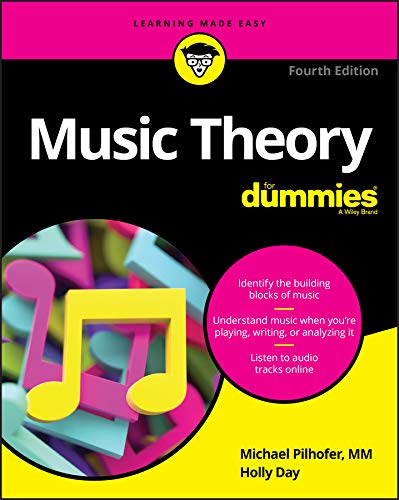
- Shared Language: Knowing music theory allows you to communicate with other musicians instantly. As noted in Music Theory For Dummies, theory isn’t just rules; it’s a language that connects you to centuries of tradition and other players.
- Combating Loneliness: Joining a choir, a band, or even an online piano community creates a sense of belonging. The release of Oxytocin (the bonding hormone) increases when making music with others.
 Kindle editionRead on Kindle ›
As an Amazon Associate I earn from qualifying purchases.
6. Reflecting on the Impact Piano Has Had on Me
Looking back over my time playing the piano, I realize how deeply it has shaped my mental landscape. Beyond the joy of music, it has become a refuge, a therapist, and a motivator. The benefits of learning piano for mental health are multi-faceted and have enriched my life in ways I hadn’t anticipated. I feel more grounded, emotionally expressive, and cognitively sharp because of it.
This profound impact has never faded; if anything, it has woven itself into the very fabric of my daily existence. Today, the piano remains my most vital “exutoire”, a powerful emotional outlet where the stresses of the world are transformed into melody. It serves as a form of active meditation, providing a focused occupation that silences the noise of everyday life. Every session is a holistic workout: while my fingers maintain their dexterity and strength through rigorous training, my brain is constantly challenged to map new neural pathways, keeping my mind resilient and sharp. It is more than just an instrument; it is a lifelong pursuit of balance and cognitive vitality.
Recommended Books
 Kindle editionRead on Kindle ›
As an Amazon Associate I earn from qualifying purchases.
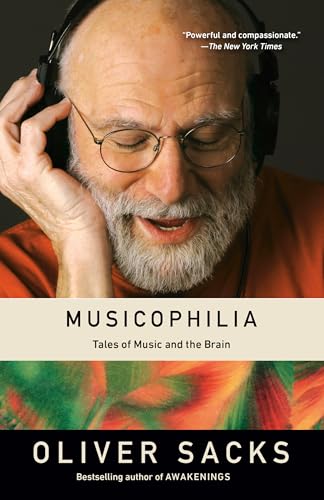 Kindle editionRead on Kindle ›
As an Amazon Associate I earn from qualifying purchases.
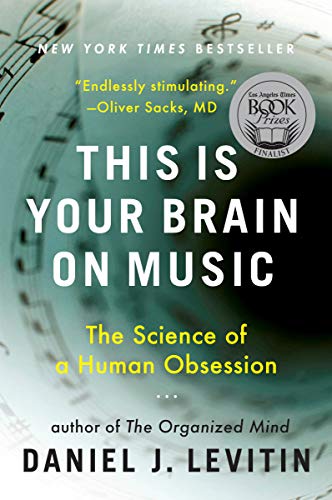 Kindle editionRead on Kindle ›
As an Amazon Associate I earn from qualifying purchases.
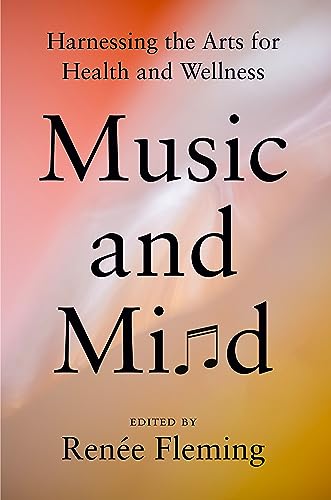 Kindle editionRead on Kindle ›
As an Amazon Associate I earn from qualifying purchases.
Conclusion
The piano holds a unique power to touch the mind and soul. For anyone seeking a meaningful way to enhance mental wellness, learning piano offers a rich and rewarding path. From emotional release and stress relief to cognitive sharpening and social connection, the benefits are extensive and accessible. Remember, the journey is personal and ongoing, filled with moments of challenge and triumph.
Playing piano isn’t just about music, it’s about nurturing your whole self. With patience and passion, it can become a cornerstone of mental health, offering balance, growth, and joy every step of the way.
Do I need to be talented to get mental health benefits?
Absolutely not. The neurological benefits (neuroplasticity, stress reduction) occur regardless of the quality of the performance. The brain works just as hard to learn “Twinkle Twinkle Little Star” as a beginner as it does for a pro to learn a concerto. The struggle is the benefit.
Can piano cause stress if I’m a perfectionist?
Yes, if approached with a rigid mindset. It is crucial to adopt a “growth mindset.” Focus on the process of learning, not the performance. Treat mistakes as data, not failures.
How long do I need to play to feel better?
Even 20 minutes can lower cortisol levels. However, for long-term cognitive changes, consistency is key, aim for 3-4 sessions a week.
I’m too old to start. Will it still help?
The adult brain remains plastic throughout life. In fact, learning a complex motor skill like piano in adulthood may have more protective benefits against cognitive decline because it is such a novel challenge for the aging brain.
I’m too stressed to practice. How do I start?
Start with the “5-Minute Rule.” Tell yourself you will only sit at the bench for five minutes. Often, the act of touching the keys will trigger the Flow State, and you’ll find yourself playing for much longer.
Can I get the same benefits from just listening to music?
No. While listening (passive) can soothe the mind, playing (active) is what builds neuroplasticity and provides the “Sublimation” outlet. Playing engages the motor and executive functions of the brain in ways listening cannot.
Sources & References
Feezell, Mark. Music Theory Fundamentals (High-Yield Music Theory, Vol. 1). LearnMusic Theory.net. A primary source for interval recognition and rhythmic subdivision.
Martin, Lawrence. Basic Music Theory for Adult Beginner-Level Piano Players (Piano Syllabus). Lakeside Press. Utilized for the development of tactile mapping and “hand independence” strategies.
Pilhofer, Michael & Day, Holly. Music Theory For Dummies. Wiley Publishing, Inc. Referenced for the accessibility of complex harmonic structures and the “language” of music.
Anonymous/Creative Commons. Music Theory v. 1.0. (Licensed under CC BY-NC-SA 3.0). Used for structural models of polyphony and voice leading.