
The room is silent, yet the mind is loud. A thousand thoughts, deadlines, fragments of conversations, and the low-humming static of modern anxiety, clutter the internal landscape. Then, a single note is struck. It is not just a sound; it is an anchor. As the melody unfolds, the frantic scanning of the nervous system begins to slow. The shoulders drop away from the ears, the breath lengthens, and for the first time in hours, the world feels predictable. This is not a coincidence or a vague “magic” of the arts. It is the result of a sophisticated biological interaction between structured sound and the human brain.
Music does not heal by mystical means. It functions as a powerful organizational tool that recalibrates prediction, attention, breath, and emotion in ways a stressed nervous system can immediately recognize. Whether through a steady pulse that synchronizes with the heart or a familiar chord progression that resolves into silence, music offers a practical set of actions that anyone can implement at home to restore cognitive and emotional equilibrium.
Music calms the brain by providing a structured, predictable environment that reduces cognitive load and activates the parasympathetic nervous system. It operates through five primary mechanisms: auditory prediction (satisfying the brain’s need for certainty), rhythmic entrainment (synchronizing heart rate and breath with a steady pulse), emotional regulation (offering a safe container for non-verbal expression), cognitive flow (narrowing focus to exclude stressors), and neurochemical release (triggering dopamine and oxytocin). By organizing auditory input into patterns of tension and release, music effectively signals “safety” to the amygdala, allowing the brain to transition from a state of “fight or flight” to “rest and digest.”
1. The Neurobiology of Prediction and Reward
Musical prediction rewards the brain by satisfying the “Predictive Coding” loop, where the auditory cortex forecasts upcoming notes and the reward system releases dopamine upon successful resolution.
A. The Brain as a Forecasting Machine
The human brain does not passively “hear” sound; it actively constructs it. According to the Bayesian Brain hypothesis, the mind is constantly generating internal models of the world to predict sensory input.
The Anatomy of a Prediction Error
When an event occurs that contradicts the brain’s internal model, a “prediction error” is triggered. In a survival context, a rustle in the bushes that isn’t a bird but a predator is a high-stakes prediction error. Modern stress, deadlines, financial uncertainty, social friction, creates a continuous stream of these errors. The brain becomes exhausted from trying to update its models to fit a chaotic reality.
Music as a “Safe” Predictive Training Ground
Music is a mathematical structure disguised as art. It operates on rules of probability. When a listener hears a Diatonic Scale, their brain automatically calculates the most likely next note. Because music (especially in the Western tradition) follows established patterns, the “prediction error” is kept low or is intentionally manipulated for aesthetic pleasure. This allows the prefrontal cortex to “relax” because the auditory environment has become knowable and safe.
B. Consonance vs. Dissonance
The transition between tension and relaxation in music is not just an aesthetic choice; it is a neurochemical event.
Dissonance: The Biological Itch
Dissonance occurs when frequencies clash in a way that the ear perceives as unstable. Neurologically, dissonance creates a state of “autonomic arousal.” The brain perceives the sound as an unresolved problem. This mirrors the physiological state of stress—anxiety, muscle tension, and narrow focus.
Consonance: The Neurochemical Reward
Consonance is the resolution of that instability. When a dissonant chord (like a Dominant 7th) resolves to a consonant triad (the Tonic), the brain experiences a release of tension.
- The Dopamine Spike: The moment of resolution triggers the nucleus accumbens, the brain’s reward center.
- V7 to I Progression: This specific cadence is the “Gold Standard” of musical resolution. The leading tone’s urgent need to return to the tonic satisfies a deep biological craving for order.
C. The Geography of the Major Scale
To reduce cognitive load, the brain utilizes “Auditory Mapping.” This is the mental layout of a musical key, which functions much like a GPS for the ears.
Hierarchy of Scale Degrees
As detailed in High-Yield Music Theory, not all notes are created equal. The Tonic (1st degree) acts as the “home base,” while the Dominant (5th degree) acts as the “portal to home.”
- Stable Degrees (1, 3, 5): These provide the “anchor points” for the brain.
- Active Degrees (2, 4, 6, 7): These create a sense of movement and “questioning.”
When a piece of music stays within a consistent Diatonic Key, the brain maps these frequencies onto a predictable grid. It no longer needs to analyze every individual frequency; it simply recognizes the “path” through the map. This reduces the energy consumption of the brain, leading to the sensation of “calm.”
| Musical Element | Neural Mechanism | Psychological Result |
| Diatonicism | Template Matching | Reduced Cognitive Load |
| Tonic Center | Homeostatic Anchor | Sense of Stability/Safety |
| Rhythmic Pulse | Temporal Expectancy | Decreased Anxiety/Restlessness |
| Cadence (V-I) | Prediction Fulfillment | Dopamine Release (Reward) |
D. The Execution Loop: Agency Through Performance
While listening is therapeutic, active music-making (playing the piano) introduces a secondary layer of neurobiological benefit: the Motor-Auditory Feedback Loop.
From Helplessness to Agency
Stress often stems from a lack of “agency”, the feeling that one’s actions have no impact on the outcome. Playing an instrument reverses this.
- Plan: The brain selects a motor command (target: Middle C).
- Execute: The finger strikes the key (Proprioception).
- Audit: The ear hears the result (Auditory feedback).
- Reward: The brain confirms the action was successful.
Doing this dozens of times per minute creates a “high-density agency environment.” The practitioner proves to their nervous system, through tactile and auditory evidence, that they are in control of their immediate reality. This is why “sight-reading” or “polyphonic practice” can be so deeply grounding; it requires total cortical integration.
2. Rhythmic Entrainment: Synchronizing the Body to Auditory Order
Rhythmic entrainment is the biological process where the body’s internal oscillators, such as heart rate and respiration, synchronize with an external perceived rhythm. This phenomenon occurs because the human brain is hard-wired to find patterns in time. When a steady musical pulse is introduced, the nervous system seeks to minimize the “energy cost” of maintaining its own internal rhythms by simply locking onto the external beat.
Heart Rate and Respiratory Coordination
The brain’s internal timekeeper, the suprachiasmatic nucleus, is highly sensitive to auditory pulses. When listening to or playing music with a tempo of 60 to 80 Beats Per Minute (BPM), the body recognizes a frequency that mirrors a healthy resting heart rate.
- Inhalation/Exhalation Regulation: Slow, legato phrasing (where notes are connected smoothly) naturally encourages the listener to lengthen their breathing cycle. As the musical phrase extends, the diaphragm slows its movement to match the perceived “flow” of the sound, triggering a relaxation response via the vagus nerve.
- Cortisol Reduction via Motor Control: As noted in Basic Music Theory for Adult Beginners, the physical act of playing the piano requires a high degree of motor coordination. Maintaining a steady 4/4 meter forces the brain to suppress “scattered” motor impulses, the jittery movements often associated with high cortisol levels. By focusing on the precision of the downbeat, the player physically overrides the biological “noise” of stress.
The Power of the Pulse: Clinical Evidence
A predictable pulse acts as a “metronome for the soul.” In high-stress environments like the Intensive Care Unit (ICU), music with a stable, low-BPM pulse has been shown to lower systolic blood pressure and heart rate significantly. This “patient-directed listening” provides a sense of external structure in a chaotic environment, often reducing the clinical requirement for sedative medications by providing a non-pharmacological anchor for the patient’s nervous system.
3. Cognitive Flow: Interrupting the Loop of Stress
Cognitive Flow is a state of deep absorption where the brain’s “Default Mode Network”, the area responsible for mind-wandering and rumination, is quieted by a task that demands total focus. Stress keeps the brain in a state of “threat-scanning,” a narrow and exhausting hyper-vigilance. Music interrupts this loop by demanding Focused Attention, shifting the brain from a reactive state to a creative one.
Entering the Flow State on the Keys
For a piano player, achieving “Flow” happens when the difficulty of the piece perfectly matches the player’s skill level. A classic example is practicing the Minuet in G. This state is characterized by two distinct neurological loops:
- The Planning and Adjustment Loop: Every single note requires a motor command (the plan), a physical strike (the action), and an auditory evaluation (the adjustment).
- Immediate Feedback: Because the feedback is instantaneous, the note is either right or wrong, loud or soft, the brain has no “idle time” to return to stressful thoughts. This creates a form of active meditation that is often more effective than silent meditation for those with high anxiety.
Polyphony and Working Memory Bandwidth
While simple melodies are soothing, Polyphony, the use of multiple independent melodic lines, as seen in the works of J.S. Bach, offers a unique cognitive benefit.
- Bandwidth Saturation: Tracking two or three independent voices simultaneously requires the brain to utilize its full “working memory bandwidth.”
- Total Immersion: When the brain is fully occupied with the horizontal and vertical structures of a fugue or a complex invention, it physically cannot maintain the “background processes” of worry. The cognitive load required to process polyphonic complexity effectively pushes out intrusive thoughts.
4. Emotional Regulation Without Speech: The Non-Verbal Release
Emotional regulation in music refers to the ability to identify, express, and modulate feelings through auditory frequencies and physical touch, bypassing the need for verbal articulation. For many, stress is a “wordless” weight; music provides the vocabulary to move that weight.
The ISO Principle: Minor Keys and Catharsis
It is a common misconception that one must listen to “happy” music to feel better. In music therapy, the ISO Principle suggests that music should first match the listener’s current emotional state before gradually shifting toward a desired state.
- Empathic Validation: Listening to minor-key music (associated with sadness or tension) provides a sense of “validation.” The brain perceives that the environment “understands” its internal state, which reduces the feeling of isolation and allows for catharsis.
- Resolution: Once the brain feels “heard” by the minor tonalities, the player can transition into major keys or resolved cadences, physically leading the nervous system out of the emotional slump.
Agency Through Expressive Touch
On the piano, the physical interaction with the instrument is a conduit for emotional release. The player’s Articulation, the way they strike and release the keys, serves as a physical manifestation of their internal state.
- Staccato (Agency): Sharp, detached movements can provide an outlet for frustration or pent-up energy, transforming “agitation” into “precision.”
- Legato (Tenderness): Smooth, connected playing requires a softening of the wrists and a grounding of the weight, which physically signals the body to relax its guard.
By choosing specific articulations, the player moves from being a passive victim of stress to an active agent of expression, effectively converting “felt” emotion into “acted” sound.
5. What the Evidence Says: Clinical and Economic Data
The belief that music is “good for the soul” has transitioned from a poetic sentiment to a scientifically verifiable fact. Modern medicine and behavioral economics now categorize music as a high-value clinical intervention. By moving beyond anecdotal stories, researchers have utilized large-scale population data and rigorous econometric modeling to quantify the impact of music on human health and institutional efficiency.
The Danish Population Study: Nationwide Correlation of Musical Habits
A landmark study conducted in Denmark provided one of the most comprehensive looks at how daily musical engagement affects long-term health outcomes. By surveying a nationwide cohort, researchers were able to establish a clear threshold for “therapeutic engagement.”
- The One-Hour Threshold: Individuals who engaged in musical activity, whether through singing, playing an instrument like the piano, or active listening, for at least one hour per day reported significantly higher scores on the General Health Questionnaire (GHQ).
- Stress Resilience: These participants demonstrated a marked increase in “resilience markers,” meaning they were statistically less likely to experience prolonged periods of high stress or burnout compared to their non-musical peers.
- The Findings: The data suggests that music acts as a “prophylactic” against mental fatigue, building a cognitive reserve that allows the nervous system to bounce back from daily stressors more efficiently.
Pediatric Savings: The Economics of Auditory Distraction
In clinical settings, music is being used as a functional tool to replace or supplement chemical sedation. Nowhere is this more evident than in pediatric units, where the “cost of stress” is both human and financial.
- Clinical Application: Integrating music support during distressing procedures, such as IV starts, blood draws, or dressing changes, provides a “cognitive anchor” for the child. This activates the prefrontal cortex and reduces the activation of the pain centers in the brain.
- Reduction in Sedation: Studies indicated a significant drop in the volume of sedative medications required when a music-led protocol was in place.
- The $200,000 Impact: One specific evaluation of a pediatric music therapy program estimated a total annual saving of over $200,000. These savings were derived from:
- Reduced Medication Costs: Fewer sedatives and analgesics.
- Nursing Efficiency: Procedures were completed faster because patients were more cooperative, reducing the required “nursing hours” per patient.
- Faster Recovery: Lower stress levels during procedures correlated with shorter recovery times and earlier discharges.
The German Econometric Model: Proving Causality
One of the hardest things to prove in social science is causality, does music make you more resilient, or do resilient people just happen to like music? Researchers in Germany addressed this using a sophisticated statistical method known as “Propensity Score Matching” (PSM).
- Defining PSM: This technique involves comparing two groups of people who are identical in every way (socio-economic status, education, family background) except for one variable: music lessons.
- Emotional Regulation Scores: The study found that young people who received consistent music lessons showed significantly higher scores in Emotional Regulation. They were better equipped to “shift” their moods intentionally.
- Reduced Stress Interference: A critical finding was the reduction in “emotional interference.” These students reported that when they were under stress (such as during exams), their ability to perform daily tasks was not as severely compromised as those in the control group.
- Structural Brain Change: The model suggested that the “effort” of learning an instrument—tracking notes, managing rhythm, and physical coordination—strengthens the neural pathways between the amygdala (emotion) and the prefrontal cortex (logic).
6. The 12-Minute Reset Routine
In a world of constant digital “noise” and high-stakes deadlines, the brain often loses its ability to down-regulate. The 12-Minute Neurological Reset is a high-yield, evidence-based protocol designed to transition the brain from sympathetic dominance (fight-or-flight) to parasympathetic recovery (rest-and-digest). By leveraging the principles of rhythmic entrainment, vagal tone, and focused attention, this routine provides a biological “hard reset” that requires no prior musical expertise.
Step 1: The Neutral Posture & Grounding (1 Minute)
Objective: Signal physical safety to the brain via proprioception.
Before striking a single note, you must align the physical body to allow for optimal “Vagal Tone.”
- The Spine: Sit at the front half of the piano bench (or a sturdy chair). Imagine a string pulling the crown of your head toward the ceiling. This opens the thoracic cavity, allowing the lungs to expand without restriction.
- The Feet: Place both feet flat on the floor, shoulder-width apart. This “grounding” provides the brain with a stable sensory input, reducing the feeling of “floating” or agitation.
- The Hands: Rest your hands palms-down on the wood of the piano (the fallboard or the cheeks). Feel the temperature and texture. This tactile grounding shifts focus from abstract worries to the immediate physical present.
Step 2: The 4-6 Breath Synchronization (2 Minutes)
Objective: Manually override the heart rate via the Respiratory-Sinus Arrhythmia (RSA).
Stress causes shallow, rapid breathing. To reset, we use a specific ratio that triggers the Parasympathetic Nervous System.
- The Ratio: Inhale through the nose for 4 counts, then exhale slowly through pursed lips for 6 counts.
- The Science: A longer exhalation increases the CO2 levels in the blood slightly, which signals the Vagus nerve to slow the heart rate.
- Musical Integration: If you are at the piano, use a very slow metronome (60 BPM) to count your breaths. If listening, choose a track with a clear, unobtrusive pulse to act as your rhythmic guide.
Step 3: The Rhythmic Floor (5 Minutes)
Objective: Establish environmental predictability through “Ostinato.”
This is the core of the reset. You will create a “Rhythmic Floor”—a stable, repetitive base that the brain can map with zero effort.
- The Exercise (Playing): Play a simple “Perfect Fifth” (e.g., C and G) in the left hand. Use a Pianissimo (very soft) dynamic.
- The Pattern: Strike the notes on beat 1 of a 4/4 measure. Hold for four beats. Repeat.
- The Focus: Aim for absolute consistency in volume and timing. This repetition—known as an Ostinato—tells the brain that the environment is stable and unchanging.
- Listening Alternative: If you are not playing, listen to a track with a “drone” or a “minimalist” structure (like the works of Max Richter or Philip Glass). Avoid music with lyrics or sudden changes in instrumentation.
Step 4: The Melodic Connection & Cantabile Phrasing (3 Minutes)
Objective: Restore emotional agency through “Singing” touch.
Now that the body is calm, we introduce a simple melody to engage the brain’s emotional reward centers.
- The Selection: Choose a simple, familiar tune (e.g., Twinkle Twinkle or a basic folk melody).
- The Technique: Perform the melody at half-speed. Focus on the Cantabile style, making the piano “sing.”
- The Execution: Pay attention to the “weight” of your fingers. Feel the resistance of the key. Try to connect each note to the next (Legato) as if you were singing the phrase in a single breath.
- The Goal: This creates a “Flow State.” The high-density feedback loop of Action > Sound > Adjustment leaves no cognitive space for stress.
Step 5: The Integration & Stillness (1 Minute)
Objective: Consolidate the “Echo Effect” and observe the shift.
The final minute is the most important for long-term neurological retention.
- The Silence: Stop playing or turn off the music.
- The Observation: Stay in your neutral posture. Notice the “echo” of the music in your mind.
- Interoception: Scan your body. Are your shoulders lower? Is your breath deeper? Has the “mental static” cleared?
- The Outcome: By consciously noticing the shift, you strengthen the neural pathways associated with this calm state, making it easier to return to next time.
Why This Works
- Rhythmic Entrainment: Your heart rate naturally slows to match the 60 BPM pulse.
- Prediction Reward: The brain receives dopamine when it correctly predicts the next beat of the stable rhythm.
- Amygdala Deactivation: Structured, non-threatening sound signals the brain’s alarm center to stand down.
- Vagal Tone Improvement: The 4-6 breathing ratio directly stimulates the Vagus nerve, the “on-switch” for relaxation.
Recommended Gear for Musical Wellness
To maximize the therapeutic benefits of music, the right tools are essential. Here are products that support a calming musical environment:
Weighted-Key Digital Piano as the Roland FP 30x: For the best neurological feedback, a piano with “hammer action” keys is vital. It mimics the resistance of a real acoustic piano, which is essential for developing “expressive touch.”
As an Amazon Associate I earn from qualifying purchases.
Studio-Grade Headphones as the Sony WH-1000XM5 (Noise Cancelling): To fully immerse yourself in the sound and block out external stressors.
As an Amazon Associate I earn from qualifying purchases.
Warm Lighting like the Novolido: Use adjustable LED lamps with a warm color temperature to keep the environment cozy and reduce eye strain.
As an Amazon Associate I earn from qualifying purchases.
Essential Reading:
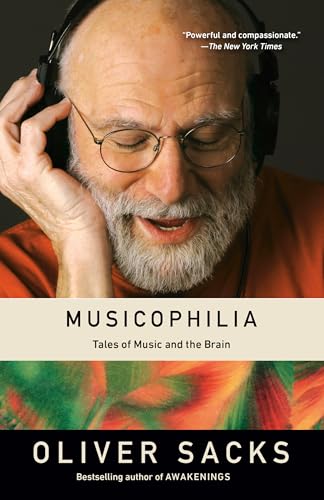
Musicophilia by Oliver Sacks: A look at how the brain processes music.
 Kindle editionRead on Kindle ›
As an Amazon Associate I earn from qualifying purchases.
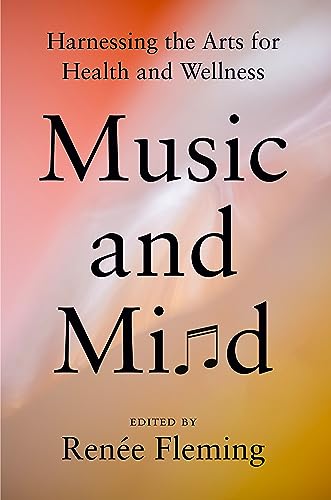
Music and Mind, Harnessing the Arts for Health and Wellness, Renée Fleming.
 Kindle editionRead on Kindle ›
As an Amazon Associate I earn from qualifying purchases.
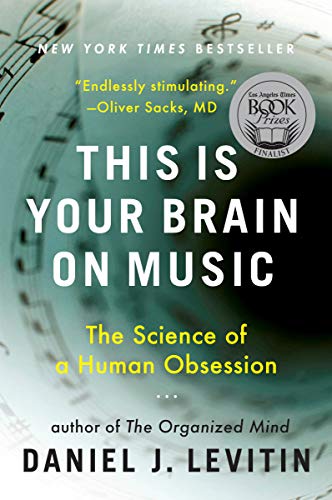
This Is Your Brain on Music by Daniel Levitin: The science of why we love certain sounds.
 Kindle editionRead on Kindle ›
As an Amazon Associate I earn from qualifying purchases.
From Sleep, Max Richter – Music Album
As an Amazon Associate I earn from qualifying purchases.
Conclusion
The connection between music and the brain is a profound testament to our biological need for order and expression. Music provides a sanctuary where the chaotic noise of the world is transformed into a structured, predictable, and beautiful dialogue. By understanding the science of prediction, entrainment, and flow, we can use the piano, or even a simple pair of headphones, as a powerful tool for mental health.
Neurologic music therapy for gait and speech after stroke, community singing and loneliness in older adults, patient directed listening design in intensive care, matched comparison methods for arts research with physician diagnosed outcomes.
Start your journey today. You don’t need a masterpiece; you just need a single note, a steady breath, and the willingness to listen.
Can music help with clinical anxiety?
While music is not a replacement for professional therapy or medication, it is a highly effective “adjunct” therapy. It helps manage the symptoms of anxiety (like racing heart and rapid breathing) in real-time.
Does it matter what kind of music I listen to?
Yes and no. While “stable” music (classical, ambient) is generally more calming, the most effective music is often “familiar” music. Familiarity increases predictability, which is the primary driver of the calming effect.
Does reading music help with flow more than playing by ear?
Sight-reading typically occupies more “bandwidth” for beginners, making it excellent for stopping rumination. However, playing by ear or improvising fosters a deeper “emotional agency” and connection to the instrument.
I have no musical talent. Can I still benefit?
Absolutely. The neurological mechanisms, entrainment and prediction, work whether you are a concert pianist or a first-time listener. The “benefits” come from the brain’s processing of the sound, not the technical skill of the hands.
How fast should I play to reduce anxiety?
Aim for a “resting heart rate” tempo, typically between 60 and 80 BPM. Playing too fast can increase adrenaline, while playing too slow can sometimes lead to a loss of the “pulse” connection.
How long do the effects last?
A 15-minute session can lower cortisol levels for several hours. Regular daily practice creates “long-term potentiation,” essentially training your brain to return to a calm state more quickly.
Does listening to a playlist provide the same “Pediatric Savings”?
Passive listening is helpful, but “interactive” music-making or “patient-directed” listening (where the patient has a choice and control) shows much higher clinical efficacy. Control is a major factor in reducing the biological stress response.
Sources & References
- Levitin, Daniel J. This Is Your Brain on Music: The Science of a Human Obsession. New York: Dutton. (Primary source for the neurobiology of dopamine and auditory prediction).
- Feezell, Mark. High-Yield Music Theory, Vol. 1. LearnMusicTheory.net. (Reference for diatonic scale structures and harmonic hierarchies).
- Martin, Lawrence. Basic Music Theory for Adult Beginner-Level Piano Players. Lakeside Press. (Source for motor coordination and adult pedagogical frameworks).
- Sacks, Oliver. Musicophilia: Tales of Music and the Brain. New York: Alfred A. Knopf. (Clinical observations on music and neurological disorders).
- Fleming, Renée. Music and Mind: Harnessing the Arts for Health and Wellness. Viking. (A comprehensive anthology of research supported by the National Institutes of Health (NIH)).
- Klickstein, Gerald. The Musician’s Way: A Guide to Practice, Performance, and Wellness. Oxford University Press. (US-based guide on mindful practice and tension reduction).
- Danish National Health Survey: Longitudinal data regarding the correlation between “musicking” and psychological well-being.
- The German Socio-Economic Panel (SOEP): Econometric analysis utilizing Propensity Score Matching to isolate the causal effects of music education on emotional regulation.
- US Pediatric Clinical Evaluation: Cost-benefit analysis regarding the integration of music therapy in pediatric surgical units to reduce sedation costs (Average savings calculated at $200,000+).
- National Center for Complementary and Integrative Health (NCCIH): Resources on the “Sound Health” initiative exploring the intersection of music and the biosciences.
- American Music Therapy Association (AMTA): Standards of practice for clinical entrainment and the ISO Principle in emotional regulation.
Legal Disclaimers
Medical Disclaimer: The information provided in this article is for educational and informational purposes only. It is not intended to be a substitute for professional medical advice, diagnosis, or treatment. Always seek the advice of your physician or other qualified health provider with any questions you may have regarding a medical condition or mental health disorder. Never disregard professional medical advice or delay in seeking it because of something you have read on this website.