As an Amazon Associate, PianoMode earns from qualifying purchases. Recommendations are made on their merits; the price you pay is the same.
From my own piano journey, I’ve experienced both sides of the learning spectrum: structured lessons with a teacher and self-guided exploration using apps and books. Today, countless beginners ask the same question I once faced: Should you learn piano with or without a teacher? The answer isn’t simple, but by understanding the strengths and weaknesses of both paths, you can make the best decision based on your goals, learning style, and budget.
1. Starting Off: The Advantages of Having a Teacher
In my early days with the piano, I opted to learn through lessons with an experienced instructor. This traditional approach comes with some undeniable benefits that helped me build a solid foundation.
Expert Feedback and Correction
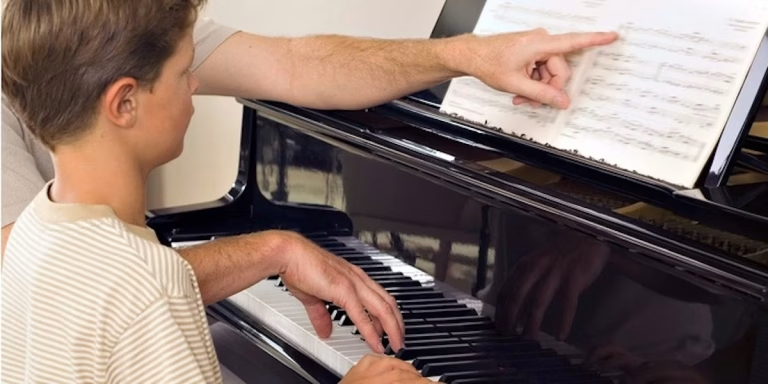
The value of a skilled teacher lies heavily in their ability to listen carefully and provide instant feedback. I remember struggling with hand posture and rhythm when I began, and my teacher was always there to point out what I was doing wrong, and more importantly, how to fix it. This real-time correction helped me avoid ingraining bad habits, which can be very difficult to unlearn later. The personal attention and tailored advice made my practice sessions more effective and less frustrating.
My teacher corrected my curved fingers, adjusted my posture, and showed me subtle hand movements I wouldn’t have noticed on my own. This instant feedback was a game-changer.
According to Dr. Robert Duke from the University of Texas at Austin, immediate feedback enhances motor learning and helps musicians avoid long-term errors (Duke, 2011, Texas Music Educators Conference).
A skilled teacher helps you:
- Build proper technique early
- Develop musical interpretation (phrasing, dynamics, articulation)
- Receive tailored exercises based on your weak points
Pro Tip: A good teacher doesn’t just instruct, they observe deeply.
Consistent Motivation and Progress Tracking
Regular lessons gave me a sense of accountability that I might not have maintained on my own. Knowing I had a session scheduled each week motivated me to practice regularly. Without this external structure, it’s easy to lose focus or postpone practice. My teacher’s encouragement during tough times kept me pushing forward, even when certain pieces felt impossible to master.
Every Wednesday at 1 p.m., I had to be ready. That fixed schedule helped me stay consistent even when motivation dipped. Without that structure, my practice would’ve been far less regular. Teachers naturally bring discipline and accountability into the equation, something most beginners sorely need.
They also offer a progressive curriculum, mixing technical exercises (like Hanon or Czerny), theory, and repertoire in a logical sequence. This avoids the chaos of hopping between random tutorials.
A Clear Roadmap to Follow
With a teacher, there is usually a carefully planned curriculum. This guided approach meant I wasn’t left wondering what to practice next or which skills to develop first. My teacher helped me progress step-by-step, from basic scales to complex classical compositions, making sure I developed all the necessary skills, including sight-reading and music theory.
Faster, Smarter Progress
In a 2019 longitudinal study by The Royal Conservatory of Music (Canada), students with weekly teacher-guided lessons advanced nearly 2.5x faster in sight-reading and aural skills compared to those using online-only tools.
Thinking of structured lessons? Start with a few trial sessions at a local music school or explore remote options like PianoTeachersConnect for vetted instructors.
2. Exploring Independence: The Benefits of Learning Without a Teacher
After gaining some confidence through formal lessons, I began experimenting with self-directed learning. This route is becoming increasingly popular, especially with the rise of online learning tools, and it brought its own unique advantages.
Freedom to Learn at Your Own Pace
When learning without a teacher, you decide when and what to practice. This flexibility was a game-changer for me during busy periods in life when fixed lesson times felt like a burden. I could dive into a favorite piece or revisit a tricky passage whenever I wanted, without waiting for the next scheduled session.
Learning at my own pace meant I could:
- Learn what I loved (jazz licks, film music)
- Skip exercises I didn’t need
- Practice whenever it fit my schedule
This approach works especially well if you:
- Have strong self-motivation
- Enjoy exploring music independently
- Prefer non-traditional genres
Apps like Flowkey, Simply Piano, and Pianote helped structure my practice while leaving space for curiosity. Some, like Playground Sessions, even include celebrity lessons and real-time feedback.
And some Theory to go:
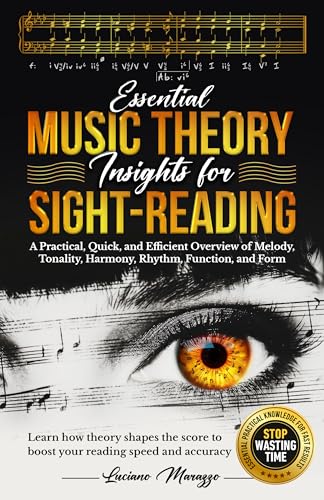 Kindle editionRead on Kindle ›
As an Amazon Associate I earn from qualifying purchases.
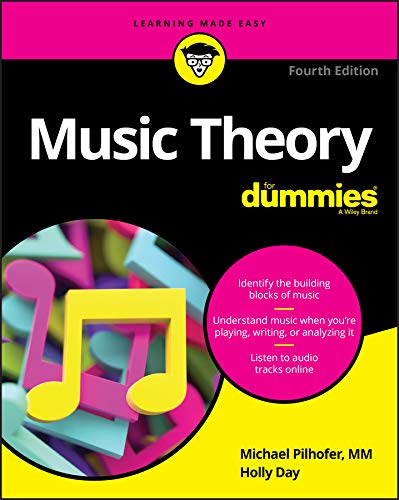 Kindle editionRead on Kindle ›
As an Amazon Associate I earn from qualifying purchases.
As an Amazon Associate I earn from qualifying purchases.
 Kindle editionRead on Kindle ›
As an Amazon Associate I earn from qualifying purchases.
Lower Costs and Accessibility
Private lessons can be expensive, especially when pursued over a long time. Learning independently allowed me to save money by using free or inexpensive resources such as YouTube tutorials, instructional apps, and online forums. This financial freedom makes piano playing more accessible to people who might not afford regular lessons.
Private lessons often cost $25–$80 per session. By contrast, full-year access to an app may cost less than $150. If budget is a constraint, self-learning is financially smarter, especially at the beginner level.
Moreover, for students in rural or underserved areas, teachers may simply not be available nearby. In such cases, quality online programs (like Tonebase, Pianote, or Drumeo for Piano) provide solid alternatives.
Developing Problem-Solving Skills
Teaching yourself piano encourages you to become resourceful. I found myself researching techniques, watching multiple tutorials, and experimenting with different practice methods. This trial-and-error process strengthened my ability to learn independently and helped me develop a more personal connection to my music.
3. The Difficulties of Going It Alone
Despite the advantages, learning piano without a teacher can present some significant challenges. Based on my own experiences, I want to highlight a few of these hurdles.
Difficulty in Identifying Mistakes
Without the trained ear of a teacher, it’s easy to overlook errors or improper techniques. I recall spending weeks practicing a scale with incorrect fingering simply because I didn’t know any better. It wasn’t until much later that a teacher pointed it out and helped me correct it, saving me from ingraining habits that would have limited my progress.
Then, I practiced for months with poor wrist position until tendon pain forced me to stop. It wasn’t until I resumed lessons that I realized how small technique issues had accumulated.
Without an external eye:
- Mistakes go unnoticed
- Fingering choices may be inefficient
- You miss musical nuance (voicing, pedaling)
Overwhelm and Lack of Direction
The abundance of online resources can be a double-edged sword. I often felt overwhelmed by the variety of tutorials and conflicting advice, which made it hard to develop a structured practice plan. Without someone to guide me, I sometimes wasted time on pieces or exercises that weren’t suited to my level.
One day you’re doing jazz tutorials, the next day Beethoven, then back to C major scales.
The absence of a clear, personalized progression can:
- Lead to inconsistent skill development
- Cause frustration or burnout
- Waste hours on inefficient practice
Staying Motivated Without External Pressure
Self-motivation is key when learning solo. I noticed that during periods when I was less disciplined, my practice became sporadic. Without the obligation of lessons, it’s easy to lose momentum or procrastinate, especially when faced with challenging material.
Without weekly check-ins, it’s easy to skip practice or drift aimlessly. Progress slows, and motivation wanes.
A 2021 study by Music Learning Collective found that students with no structured check-ins dropped practice hours by over 60% within six months.
4. Who Might Thrive Without a Teacher?
While the challenges are real, learning piano without a teacher can be the ideal path for some people. Here are a few scenarios where going solo might make the most sense.
- Independent learners: If you enjoy solving problems yourself and like researching concepts online.
- Casual hobbyists: If you just want to play pop songs or compose casually.
- Budget-conscious learners: Apps and books are often more accessible than private tuition.
- Tech-savvy players: If you enjoy using tools like digital pianos, MIDI keyboards, and learning software.
For Those Who Love Independent Learning
If you enjoy figuring things out on your own and have a natural curiosity about music, you might flourish without formal lessons. I found that when I was driven by my own interests and goals, I learned quickly and enjoyed exploring new styles at my own pace.
Casual Players and Hobbyists
If your main goal is to play piano casually, such as accompanying yourself while singing or learning a handful of favorite songs, self-teaching can be perfectly sufficient. Many enjoyable pieces don’t require advanced technique or deep theory knowledge, making it easier to learn on your own.
When Teachers Are Not Easily Accessible
For people living in remote areas or places without qualified teachers nearby, online learning is a valuable alternative. Even for me, access to a great teacher was sometimes limited, and online resources filled in the gaps effectively.
5. When It’s Wise to Learn with a Teacher
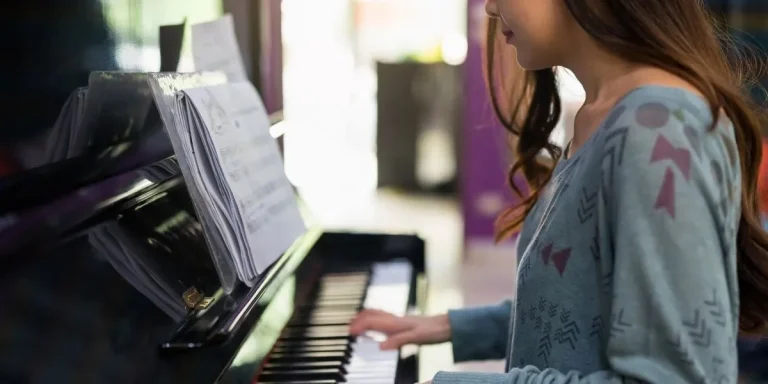
Despite the appeal of learning independently, there are certain situations where a teacher’s guidance is especially important.
You should seriously consider a teacher if:
- You’re learning classical music or preparing for ABRSM/RCM/Trinity exams
- You struggle with self-discipline or need external motivation
- You want to perform publicly or pursue a music degree
- You value deep feedback on interpretation, technique, and theory
Pursuing Advanced or Professional Playing
If you want to tackle demanding classical pieces, perform in concerts, or pursue a career in music, lessons with a teacher are crucial. Advanced repertoire requires technical precision, artistic interpretation, and theory knowledge that is difficult to acquire alone.
Needing Structure and Accountability
If you know yourself as someone who struggles with discipline or focus, lessons can provide the structure needed to stay on track. Having a teacher to check in with and encourage you can make all the difference when motivation flags.
Seeking Deep Understanding of Music Theory
Teachers often integrate music theory, sight-reading, and ear training into lessons in a way that’s clear and practical. While it’s possible to learn theory independently, having a teacher explain and demonstrate can speed up your understanding and application.
6. Combining Both Worlds: A Balanced Approach
In my personal experience, the best results came from combining formal lessons with self-teaching. Starting with a teacher gave me essential fundamentals and confidence, and later, I expanded my skills and repertoire on my own.
You might consider taking occasional lessons to get professional feedback while using online resources and apps to supplement daily practice. This hybrid approach offers flexibility, affordability, and expert guidance.
Here’s how I do it:
- Monthly lessons with a teacher for correction and goals
- Daily practice using Flowkey or YouTube for warmups and repertoire
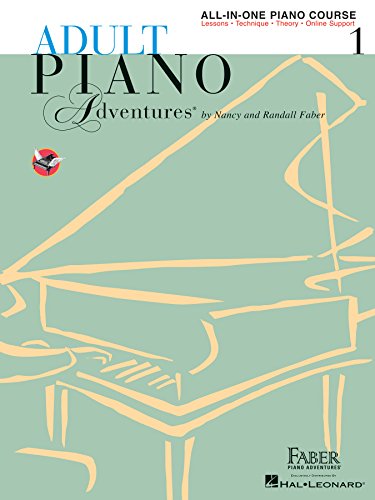
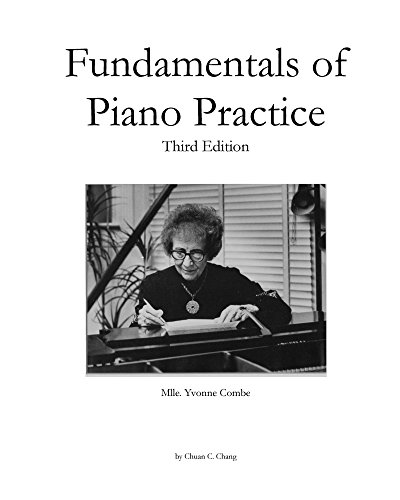
- Books like “Fundamentals of Piano Practice” by Chuan C. Chang and Alfred’s Adult All-In-One Course
This combo balances freedom with structure, affordability with expertise.
7. Questions to Reflect On Before Deciding
When you think about whether you should learn piano with or without a teacher, try answering these questions honestly:
- What is your ultimate goal with piano? (Casual playing, serious study, performance)
- How disciplined are you at setting and following through on goals?
- What is your budget for piano education?
- Are there qualified teachers available locally or online who fit your needs?
- Do you enjoy independent learning or prefer structured guidance?
Your answers can clarify which method suits you best.
Recommended Resources
If you are navigating the transition between self-learning and professional instruction, I highly recommend starting with Alfred’s Basic Adult All-in-One Course (Book 1). This is widely considered the “Gold Standard” for adult beginners because it bridges the gap between a method book and a private curriculum.
As an Amazon Associate I earn from qualifying purchases.
Pros
- Integrated Learning Experience: Unlike many methods that require separate books, this version combines lesson, theory, and technique into a single volume. This ensures you aren’t just “pressing keys” but actually understanding the harmonic structure of the music you play.
- Logical Pedagogical Sequence: The book introduces concepts like intervals, triads, and chord progressions in a way that feels natural. It moves at a pace that respects the adult learner’s cognitive speed while building muscle memory.
- Adult-Centric Repertoire: The pieces included are not “nursery rhymes.” They are arrangements of well-known themes that keep adult students motivated and engaged with music they actually recognize.
Cons
- Lack of Physical Feedback: As with any book, it cannot see if your wrists are too low or if your fingers are collapsing. You must be extremely diligent with your own self-observation.
- Stylistic Focus: The book leans heavily toward traditional and classical-lite styles. If your sole goal is to play modern synth-pop or heavy jazz, you may find some of the early exercises a bit “academic.”
Some Other Books to go
 Kindle editionRead on Kindle ›
As an Amazon Associate I earn from qualifying purchases.
 Kindle editionRead on Kindle ›
As an Amazon Associate I earn from qualifying purchases.
Kindle editionRead on Kindle ›As an Amazon Associate I earn from qualifying purchases.
Kindle editionRead on Kindle ›As an Amazon Associate I earn from qualifying purchases.
Conclusion
After reflecting on my journey, I believe there is no one-size-fits-all answer to whether you should learn piano with or without a teacher. Both paths have unique strengths and drawbacks. If you’re starting out, I highly recommend beginning with a teacher to establish a solid foundation and avoid frustrating setbacks. As you grow more confident, supplementing lessons with self-directed learning allows you to explore music on your own terms.
Ultimately, the best approach is the one that keeps you playing, learning, and enjoying the piano. The instrument is a lifelong companion that rewards passion and persistence, no matter how you choose to learn it.
Whatever path you choose, what matters most is that you:
- Stay consistent
- Enjoy the process
- Listen deeply—to music, to yourself, and to your progress
Final Tip: Try both. Book a few lessons and try a top-rated app. See what resonates.
Is it possible to reach an advanced level without a piano teacher?
While it is technically possible to become a proficient player through self-study, reaching an advanced or professional level—specifically in classical music—without a teacher is exceptionally rare. Teachers provide the critical “external ear” needed to refine musical interpretation, complex polyphony, and ergonomic technique. Without this, players often hit a “plateau” where their technical limitations prevent them from mastering high-level repertoire.
How long does it take to learn piano by yourself versus with a teacher?
Statistically, students with teachers progress significantly faster. A teacher identifies and corrects errors immediately, preventing “unlearning” time. On average, a student with a teacher might reach an intermediate level in 1 to 2 years, whereas a self-taught student may take 3 to 5 years to achieve the same proficiency due to trial-and-error learning and lack of structured curriculum.
Can piano learning apps replace a human instructor?
Piano apps are excellent tools for gamifying practice, learning note names, and building basic rhythm. However, they cannot replace a human instructor’s ability to analyze physical tension, posture, and emotional expression. Apps use MIDI or audio recognition to check “if” you played the right note, but they cannot tell you “how” you played it—which is the essence of artistry.
How do I know if I’m developing bad habits while self-teaching?
Common signs of bad habits include physical pain or tension in the wrists and shoulders, inability to play fast passages clearly, or a “clunky” sound in your dynamics. If you notice persistent tension or if your progress has stalled on a specific technical hurdle, it is a strong indicator that your hand mechanics need professional adjustment.