Choosing a piano for your child is one of the most consequential decisions you will make as a parent supporting a young musician. The right instrument can spark a lifelong love of music. The wrong one, a cheap toy keyboard with tiny keys and tinny speakers, can extinguish that spark before it has a chance to grow.
The piano market in 2026 offers an overwhelming number of options, from sub-100-dollar mini keyboards to 2,000-dollar digital pianos with concert-quality sound engines. Navigating this landscape without expertise is daunting, and the stakes are real: buy too little and your child will outgrow it within months; buy too much and you risk a significant investment on an instrument that may gather dust.
This guide cuts through the noise. It is organized by age group, because the needs of a 4-year-old exploring sounds for the first time are fundamentally different from those of a 10-year-old preparing for grade exams. For each age bracket, we provide specific instrument recommendations from our tested product library, explain the technical features that matter (and those that do not), and share practical advice on setup, accessories, and how to support your child’s practice without turning it into a battle.
Choosing a piano for a child requires balancing three pillars: Action (the physical feel of the keys), Tone (the quality of the sound), and Longevity (how long the instrument will remain relevant as the student’s skills evolve). For children aged seven and older, the industry standard for serious study is an 88-key digital piano with fully weighted hammer action or a well-maintained acoustic upright.
1. The Three Questions Every Parent Must Answer
1. How old is your child? Age determines the physical requirements of the instrument. Children under 5 need smaller, lighter instruments with less key resistance. Children 7 and older can (and should) use full-size, 88-key, weighted instruments.
2. How serious is the interest? If your child has expressed casual curiosity, a moderately priced 61-key keyboard can test the waters without a large financial commitment. If your child is already enrolled in lessons, a teacher will almost certainly require a full-size weighted instrument for proper technique development.
3. What is your space and budget? Digital pianos range from compact, portable models (the Yamaha P-145 can sit on a desk) to furniture-style uprights with built-in stands and benches (like the Donner DDP-80). Your living situation and budget will determine which form factor is appropriate.
2. Ages 3 to 5: Exploration and Discovery
At this age, the goal is not serious piano study. It is musical exploration. Young children learn through play, and the instrument should facilitate that play without creating frustration. The primary goal is to foster a positive relationship with music. The child’s fine motor skills are still developing, and their hand muscles are not yet strong enough to handle the heavy resistance of a traditional acoustic piano or a high-end weighted digital action.
What to look for: A keyboard with standard-sized keys (not miniature), a pleasant sound, built-in songs or rhythms for interactive play, headphone output (for parental sanity), and durability. Weighted keys are not necessary at this age because young fingers lack the strength for them.
Key Requirements:
- Full-Size Keys: Avoid “mini-keys.” Learning on standard-width keys ensures the child develops proper spatial awareness of intervals.
- Light Resistance: Semi-weighted or synth-action keys are appropriate here to prevent hand fatigue.
- Interactive Features: High-quality built-in sounds can keep a child engaged through “gamified” exploration.
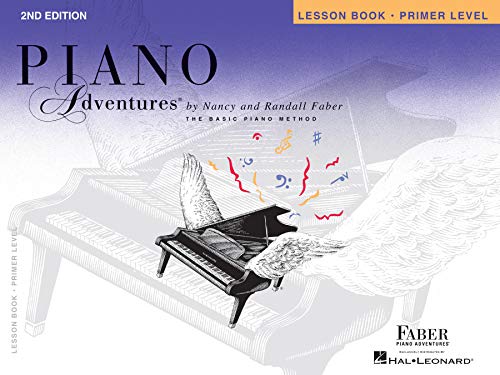
Recommended approach: The Alesis Recital Pro offers 88 full-size semi-weighted keys at an accessible price point. It is large enough that your child will not immediately outgrow it, but the semi-weighted action is light enough for small hands. Pair it with the Faber Piano Adventures Primer Level method, which uses colorful illustrations and simple songs designed for young learners.
As an Amazon Associate I earn from qualifying purchases.
Critical tip: At this age, keep practice sessions to 5 to 10 minutes. The goal is consistent, joyful contact with the instrument, not discipline or rigor. Sing along. Play together. Make it fun.
3. Ages 6 to 8: Beginning Formal Study
This is the age when most children begin formal piano lessons, either with a private teacher or through a group program. At this stage, the quality of the instrument begins to matter significantly, because poor-quality instruments create technical habits that are difficult to unlearn.
This is the “Golden Age” for starting formal lessons. At this stage, the quality of the instrument’s action becomes the most critical factor. If a student practices on unweighted keys, they fail to develop the finger strength and “touch” (dynamic control) required for classical and contemporary repertoire.
What to look for: Fully weighted, hammer-action keys are now essential. A child who learns on unweighted keys will develop a flat, heavy-handed technique that will have to be completely retrained when they encounter a real piano. The instrument should also have 88 keys (not 61 or 76), a quality sound engine, and a sustain pedal input.
- The “Weighted” Rule: If the child is taking lessons, the piano must have 88 weighted keys.
Our top recommendation: The Yamaha P-145. This is the entry point for serious piano study. It features Yamaha’s GHC (Graded Hammer Compact) action, which replicates the heavier touch of lower piano keys and the lighter touch of upper keys, just like an acoustic piano. Its sound engine samples the Yamaha CFX concert grand. At its price point, it is the most capable instrument available for a beginning student.
As an Amazon Associate I earn from qualifying purchases.
Step-up option: The Roland FP-10. Roland’s PHA-4 Standard keybed is excellent, with a slightly different feel than Yamaha’s. Some teachers and students prefer it. The FP-10 also features Roland’s SuperNATURAL Piano sound engine, which models the behavior of a real piano, including string resonance and damper effects.
As an Amazon Associate I earn from qualifying purchases.
Essential accessories at this stage: An adjustable bench (the Roland Piano Bench adjusts to accommodate growing children), a proper sustain pedal (the Yamaha Piano Foot Pedal P-Series), and a dedicated practice space with a BenQ Piano LED Lamp for proper lighting.
As an Amazon Associate I earn from qualifying purchases.
As an Amazon Associate I earn from qualifying purchases.
4. Ages 9 to 12: The Growth Years
By this age, a committed young pianist is progressing through method books, learning increasingly complex repertoire, and potentially preparing for grade examinations. The instrument must keep pace with their growing skills.
Polyphony refers to the number of individual notes or voices a digital piano can sound simultaneously. Higher polyphony (e.g., 128 or 192 notes) is essential for complex pieces where the sustain pedal is used extensively. As students move into intermediate repertoire (Bach’s Inventions, Mozart’s Sonatinas), they require an instrument with a sophisticated sound engine. They begin to experiment with Harmonic Intervals and Polyphonic Texture, requiring a piano that doesn’t “cut off” notes during fast passages or heavy pedaling.
What to look for: Everything from the previous stage, plus: a more sophisticated sound engine with multiple tones (so they can explore different sounds), Bluetooth or USB connectivity (for integration with learning apps and recording), and ideally a three-pedal system or at least a dedicated sustain pedal.
Our top recommendation: The Yamaha P-225. This is the upgrade from the P-145, featuring an improved GHS (Graded Hammer Standard) action with matte black keys for a more authentic feel, 24 instrument voices, Bluetooth audio and MIDI, and a built-in app integration that opens up a world of learning tools. For a child who is progressing well and showing genuine commitment, this instrument will serve them through intermediate and into early advanced repertoire.
As an Amazon Associate I earn from qualifying purchases.
Premium option: The Casio Privia PX-S1100. If space is a concern, this ultra-slim digital piano packs an impressive Smart Scaled Hammer Action Keyboard and a tri-sensor system into a body that is slimmer than most laptops. Its Bluetooth audio capability means your child can play along with their favorite songs streamed directly through the piano’s speakers.
As an Amazon Associate I earn from qualifying purchases.
Furniture-style option: The Donner DDP-80. If you want an instrument that looks like a traditional upright piano and includes a matching bench and three-pedal unit, the DDP-80 offers excellent value. It is a more permanent solution that signals to the child (and to them) that piano is a serious part of the household.
As an Amazon Associate I earn from qualifying purchases.
5. Ages 13+: The Serious Student
Teenagers who have persisted with piano through the earlier years are often reaching intermediate to advanced levels. They may be performing in recitals, exploring composition or arrangement, or developing interests in jazz, pop, or music production. The instrument needs to support all of these activities.
At this level, the nuances of Escapement (the slight “click” felt when a key is pressed halfway on a grand piano) and high-fidelity sampling become vital for emotional expression.
What to look for: Top-tier weighted action, premium sound engine, extensive connectivity (USB, MIDI, Bluetooth), recording capability, and a tone quality that does not fatigue the ear during long practice sessions.
Our top recommendation: The Roland FP-30X. This is a significant step up from the FP-10, featuring Roland’s PHA-4 Standard keybed with Escapement mechanism (which simulates the “click” feel of an acoustic grand piano action), an enhanced SuperNATURAL Piano sound engine, built-in Bluetooth, headphone output, and USB connectivity. It is the instrument that will carry a serious student through high school and potentially into university-level study.
As an Amazon Associate I earn from qualifying purchases.
For the aspiring producer: The Kawai ES120. Kawai’s Responsive Hammer Compact II action is one of the best in its price range, and the ES120 adds features that appeal to teens interested in music production: extensive sound library, USB audio/MIDI interface capability, and integration with DAW software.
As an Amazon Associate I earn from qualifying purchases.
6. What About Acoustic Pianos?
A quality acoustic upright or grand piano is, without question, the finest instrument for piano study. The touch, the resonance, the overtones, and the dynamic range of a good acoustic piano cannot be fully replicated by any digital instrument at any price.
However, acoustic pianos come with significant considerations for families: they require regular tuning (typically 1 to 2 times per year, at 100 to 200 dollars per session), they are sensitive to temperature and humidity (requiring a stable environment, potentially with a dehumidifier like the Eva-Dry Mini Dehumidifier), they cannot be played silently (a significant issue in apartments), and they are heavy and difficult to move.
For most families, a quality digital piano in the 500 to 1,500-dollar range provides 90 percent of the playing experience of an acoustic at a fraction of the cost and with none of the maintenance burden. If your child reaches an advanced level and is considering serious musical study, an acoustic piano becomes a worthwhile investment. Until then, the digital instruments recommended in this guide are more than sufficient.
And about modern digital pianos, such as the Yamaha P-225 or Roland FP-30X, they utilize advanced sampling technology to capture the resonance of world-class concert grands. For 90% of families, a high-quality digital piano is the most practical and cost-effective choice. It allows for consistent practice without disturbing the household and integrates with learning software.
Technical Comparison: Digital vs. Acoustic
| Feature | Digital Piano | Acoustic Upright/Grand |
| Maintenance | Zero (no tuning required) | High (tuning 1-2 times/year) |
| Practice | Headphone jack for silent play | Always audible |
| Portability | High (slab models) | Extremely Low |
| Touch/Action | Simulated (excellent in top models) | Authentic (the gold standard) |
| Cost | $500 – $3,000 | $4,000 – $50,000+ |
| Technology | Bluetooth, MIDI, App integration | None (unless hybrid) |
7. Features That Matter (and Those That Don’t)
Weighted Hammer Action: This is non-negotiable for students over age 7. It builds the “muscle memory” required to play any piano in the world.
Touch Sensitivity: The ability of the piano to change volume and tone based on how hard the key is struck. This is essential for learning dynamics (piano, forte).
Connectivity (MIDI/USB): Allows the piano to connect to tablets for apps like Skoove or Simply Piano.
Number of keys (88 is the standard; 61 is acceptable only for exploration), sound quality (a good piano tone inspires practice), headphone output (for silent practice), and pedal input (sustain pedal is fundamental to piano playing).
Features that do not matter (for learning):
Hundreds of built-in sounds (your child needs a great piano tone, not 400 mediocre instrument voices), built-in rhythms and auto-accompaniment (fun for a day, then ignored), light-up keys (these create visual dependency and impede music reading development), and recording capability with built-in speakers (nice to have, but not essential).
Learning & Gear Recommendations
- Faber Piano Adventures – Primer Level: The world’s leading method book for children. It balances theory and technique beautifully.
 Kindle editionRead on Kindle ›
As an Amazon Associate I earn from qualifying purchases.
- Bastien Piano Basics Level 1: Clear beginner pathway, completion = 3-6 months benchmark.
As an Amazon Associate I earn from qualifying purchases.
- Roland Piano Bench: An adjustable bench is crucial. If the child sits too low or too high, they will develop poor wrist posture.
As an Amazon Associate I earn from qualifying purchases.
- Yamaha Piano Foot Pedal P-Series: A robust “damper” pedal that feels like a real piano pedal, unlike the plastic switches included with budget keyboards.
As an Amazon Associate I earn from qualifying purchases.
- BenQ Piano LED Lamp: Specifically designed to illuminate the entire sheet music span and the keyboard without glare, reducing eye strain during evening practice.
As an Amazon Associate I earn from qualifying purchases.
Conclusion: Investing in a Musical Future
Choosing the right piano for your child is a balance of technical necessity and domestic practicality. In 2026, the gap between digital convenience and acoustic authenticity has narrowed significantly. For most families, starting with a high-quality weighted digital piano—like the Yamaha P-225 or Roland FP-10—provides the perfect foundation. It offers the touch required for classical training with the modern features (headphones, apps, Bluetooth) that keep children engaged in a digital world.
Remember that the instrument is only half of the equation; the environment you create for practice is the other. By providing a dedicated space, a comfortable bench, and an instrument that responds to their touch, you are giving your child the best possible chance to discover the joy of music.
Ready to start your child’s journey? Explore our sheet music for beginners and start playing today:
What age should a child start piano lessons?
Most piano teachers accept students from age 5 or 6, when fine motor skills and attention span are sufficiently developed for structured learning. Some Suzuki and Musikgarten programs accept children as young as 3, but these focus on musical exploration rather than formal piano technique.
Are 61 keys enough for a child?
For children under 6 who are exploring music casually, 61 keys can work temporarily. For any child taking formal lessons, 88 keys is strongly recommended. Many intermediate pieces require the full range, and a 61-key instrument will need to be replaced within 1 to 2 years of serious study. See our detailed article: Are 61 Keys Enough for Learning Piano.
Do kids need weighted keys?
Yes, from approximately age 6 onward. Weighted keys are essential for developing the finger strength, control, and technique that transfer to acoustic pianos. Unweighted keys teach children to press rather than play, creating habits that are very difficult to correct later. See our guide: Do You Need Weighted Keys to Learn Piano.
How much should I spend on a child’s first piano?
For a quality digital piano with weighted keys, expect to invest between 400 and 800 dollars. The Yamaha P-145 (around 450 dollars) represents the entry point for a serious instrument. Adding a bench, stand, and pedal brings the total to approximately 550 to 650 dollars. This is a meaningful investment, but a quality instrument can last 5 to 10 years and can be resold if your child’s interest wanes.
Should I rent or buy?
Buying a quality digital piano is almost always more cost-effective than renting. Rental programs, common for acoustic pianos, charge 50 to 100 dollars per month. After 6 to 12 months, you have spent the equivalent of purchasing a good digital piano outright, with no equity. If you are concerned about commitment, buy a Yamaha P-145 or Roland FP-10 with the understanding that these instruments retain reasonable resale value.
My child wants to quit. What should I do?
This is a universal parenting challenge and not necessarily a reflection of the instrument. Most children go through periods of reduced motivation. Before investing in a different instrument, try: shortening practice sessions, letting them choose their own repertoire (our Disney Songs and Pop Songs guides are great for this), or taking a brief break. If the interest genuinely does not return after several months, it is okay to pause and revisit later.
Can my child learn using a piano app?
Apps are excellent for engagement and learning Sight-reading or basic songs like Ode to Joy. However, they should complement, not replace, an instrument with proper action. See our detailed article: Best Piano Apps for Learning and Practicing